How Magic Shows Help Develop Public Speaking Skills
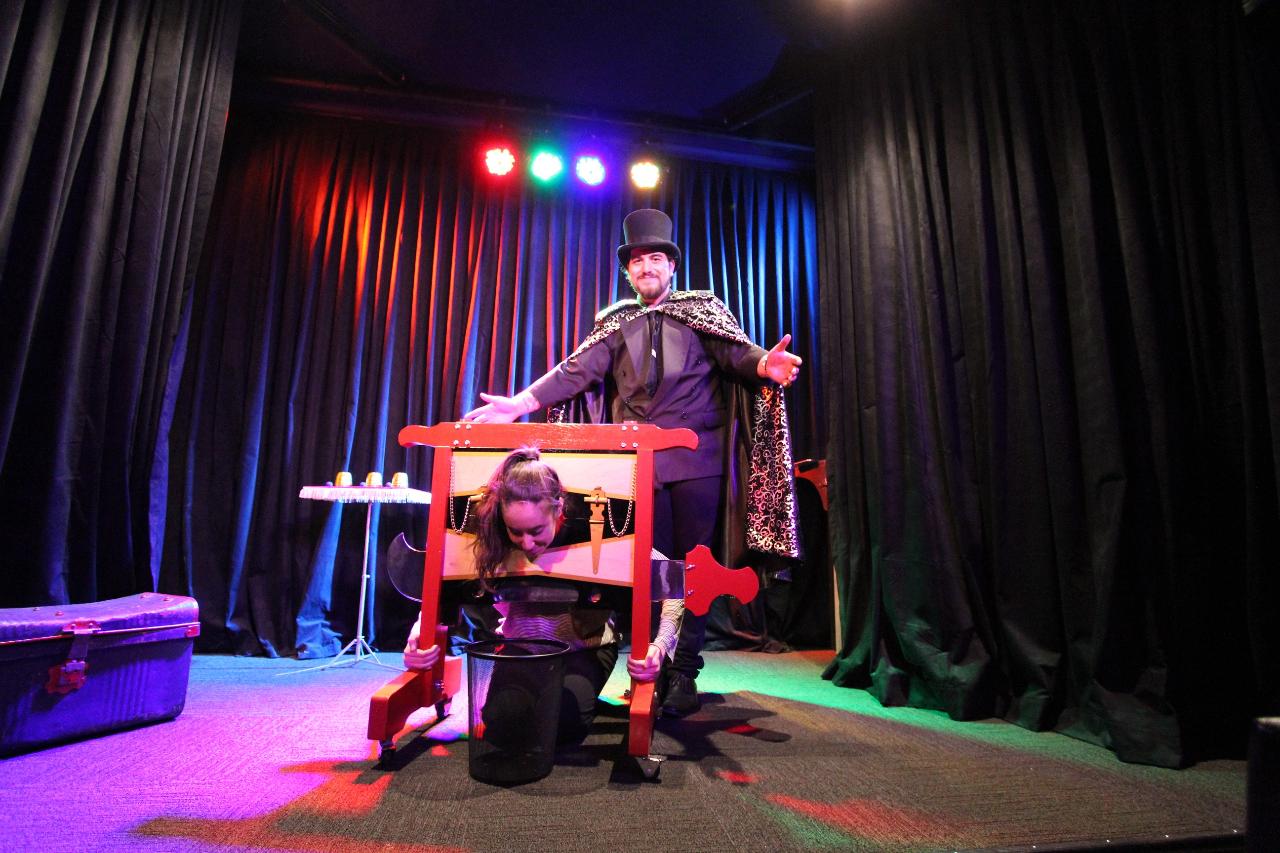
Public speaking is a crucial skill that many professionals and individuals aspire to master, whether for presentations, business meetings, or personal development. While there are numerous ways to hone public speaking skills, one effective and often overlooked method is through engaging in the art of magic. Magic shows provide a unique platform for improving public speaking abilities by combining entertainment, audience interaction, and performance. For aspiring speakers, magicians offer a wealth of techniques that can be translated into powerful communication strategies. Below, we explore how participating in or watching magic shows can enhance one’s public speaking skills.
1. Mastering the Art of Storytelling
A compelling aspect of magic shows is the storytelling that often accompanies the tricks. Magicians create narratives around their performances, drawing the audience in with suspense, humor, and drama. These stories provide context for the tricks, making them more than just a series of illusions—they become part of a captivating plot.
For public speakers, the ability to weave a narrative is essential. Effective storytelling is key to holding the audience’s attention, making complex topics more relatable, and evoking emotion. By observing how magicians build their acts, speakers can learn to craft stories that engage listeners and create a memorable experience. They also see firsthand how to maintain the flow of a narrative while seamlessly incorporating surprise elements, much like a magician introducing an unexpected twist in their performance.
2. Engaging the Audience
A successful magic show is not just about the performer; it’s about creating an immersive experience for the audience. Magicians often involve their viewers directly, whether by selecting them to assist with tricks or interacting with them throughout the show. This connection fosters an environment where the audience feels involved, which is critical for keeping their attention.
Similarly, public speakers must engage their listeners to keep them interested and receptive. Observing how magicians interact with their audience teaches speakers how to read the room, adapt to different reactions, and use non-verbal cues to gauge the audience’s level of interest. Magicians excel at creating an atmosphere of intrigue and excitement, skills that are invaluable for any speaker aiming to captivate an audience.
3. Building Confidence through Performance
Confidence is perhaps the most vital trait of any public speaker. Magic shows require a great deal of self-assurance, as the performer must not only execute intricate illusions but also do so in front of an audience. The magician’s confidence in delivering their routine is what transforms a simple trick into an astonishing performance.
For those looking to improve their public speaking, performing magic tricks can provide valuable practice in front of a live audience. Whether performing for a small group or a larger crowd, magic shows offer a low-pressure environment where one can gradually build the confidence needed for public speaking. The act of performing helps reduce the fear of making mistakes or facing awkward silences, allowing speakers to become more comfortable in front of an audience.
4. Perfecting Timing and Pacing
In magic, timing is everything. A delayed reveal or a poorly timed action can spoil an entire trick. The magician’s ability to deliver the trick at precisely the right moment is what creates the “wow” factor, leaving the audience in awe of the illusion. This delicate timing is achieved through practice, repetition, and a deep understanding of when to introduce specific elements of the performance.
The same principle applies to public speaking. Pacing and timing are crucial for keeping the audience engaged and delivering a speech with impact. Speakers must learn when to pause for effect, when to speed up to maintain momentum, and when to slow down to emphasize a key point. Magic shows provide a rich learning experience for anyone looking to improve their sense of timing and pacing. By watching magicians skillfully execute their performances, speakers can better understand how to pace their own presentations for maximum impact.
5. Controlling Nerves and Managing Stage Fright
For many individuals, stage fright is a significant barrier to effective public speaking. The nerves before stepping onto a stage can cause anxiety and distract from the performance. However, magic shows offer a unique way to tackle this common challenge. Magicians often perform in front of large audiences, and yet they maintain an air of calm and poise, focusing entirely on their act. This level of composure is built over time, often by performing in various environments and adapting to different audiences.
Aspiring public speakers can benefit from the same techniques. Watching magicians maintain their composure under pressure can offer valuable insights into managing nerves. Public speaking, like performing magic, is a learned skill. By practicing regularly in a controlled setting, whether it be for a small audience or during a magic performance, speakers can develop the resilience needed to manage stage fright and perform confidently.
6. Using Non-Verbal Communication Effectively
Magicians are masters of non-verbal communication. Their facial expressions, body movements, and hand gestures all play a significant role in conveying the illusion and enhancing the experience. A magician’s ability to use their body language to distract, direct attention, or create mystery is crucial for maintaining the audience’s focus on the trick.
For public speakers, non-verbal communication is just as important as the spoken word. A well-placed gesture or a subtle shift in posture can emphasize a point and create a stronger connection with the audience. By observing magicians’ use of body language and gesture, speakers can learn to enhance their own presentations through purposeful movements that reinforce their message.
7. Learning the Power of Silence
While magic shows are often filled with suspenseful moments and dramatic gestures, they also rely on silence to build anticipation and heighten the impact of a trick. Magicians master the art of timing their pauses for maximum effect, allowing the audience to focus on what’s coming next.
Similarly, public speakers can use silence to enhance their speeches. A well-timed pause after a powerful statement can give the audience time to reflect on the message, creating a stronger emotional connection. By incorporating pauses into their speeches, speakers can learn to control the pace of their delivery and leave a lasting impression on their listeners.
8. Adapting to Uncertainty
One of the most important lessons magicians teach is the ability to adapt to unexpected situations. No matter how well-rehearsed an act may be, things sometimes don’t go as planned. A magician’s ability to think on their feet and adjust their performance without losing confidence is a skill that every public speaker can benefit from.
Public speaking, like magic, is not always predictable. Audience reactions may differ, technical issues can arise, or unexpected questions may be posed. Magicians provide a great example of how to handle these unpredictable moments gracefully. By observing how a magician maintains their composure and smoothly navigates any unexpected turns, speakers can develop the ability to stay poised, even when things don’t go according to plan.
9. Improving Vocal Delivery
Magicians often use their voices to create atmosphere, set the tone, or build suspense. A magician’s voice can change pitch, volume, and speed to heighten the drama or convey a sense of mystery. Public speakers can apply these techniques to enhance their own vocal delivery. The ability to vary tone, volume, and pace allows speakers to emphasize key points and maintain the audience’s attention.
Conclusion
Magic shows offer more than just entertainment; they are a powerful tool for developing public speaking skills. From building confidence and perfecting timing to enhancing storytelling and non-verbal communication, magic shows provide a wealth of techniques that aspiring public speakers can learn from. Whether you’re a magician yourself or simply someone looking to improve your public speaking, incorporating the lessons learned from magic shows can help you become a more effective, engaging, and confident communicator.