Party: Meaning, Types, Planning Tips, and Cultural Significance

A party is a social gathering organized for celebration, entertainment, networking, or shared experiences. Across cultures and generations, parties remain one of the most common ways people mark milestones, strengthen relationships, and express joy collectively. Whether formal or casual, small or grand, every party reflects the purpose behind it and the people who attend it.
What Is a Party
A party is a planned social event where individuals gather to celebrate a specific occasion or simply enjoy time together. It may include music, food, decorations, games, or performances depending on its theme and objective.
Common reasons for organizing a party include:
- Celebrating birthdays and anniversaries
- Hosting weddings and engagements
- Recognizing achievements
- Strengthening friendships and professional relationships
- Observing festivals and traditions
Parties can be private or public, formal or informal, and small or large depending on the host’s intent and resources.
Types of Parties
Birthday Party
A birthday party celebrates an individual’s birth anniversary. These events often include cakes, decorations, music, and games. Children’s birthday parties usually focus on entertainment activities, while adult celebrations tend to emphasize social interaction and dining.
Typical elements include:
- Birthday cake cutting ceremony
- Theme decorations
- Party games or entertainment
- Gift exchange
Wedding Party
A wedding party marks the union of two individuals. It is often one of the most significant celebrations in many cultures and may include rituals, music, traditional clothing, and elaborate meals.
Important features include:
- Reception ceremony
- Cultural traditions
- Music and dance
- Formal dining arrangements
House Party
A house party is organized at someone’s residence. These gatherings are usually informal and designed to create a relaxed atmosphere where guests can socialize comfortably.
Common characteristics:
- Casual setting
- Limited guest list
- Homemade or catered food
- Music or games
Office Party
Office parties help strengthen workplace relationships and celebrate achievements or festivals. These events improve team morale and encourage interaction beyond daily tasks.
Examples include:
- Annual celebrations
- Festival gatherings
- Promotion celebrations
- Retirement parties
Importance of Parties in Social Life
Parties play an important role in strengthening relationships and building community connections. They offer opportunities for individuals to interact outside routine environments.
Key benefits include:
- Encouraging communication
- Building friendships
- Reducing stress
- Celebrating achievements
- Preserving traditions
Social gatherings also help individuals express appreciation toward friends, family members, and colleagues.
Essential Elements of a Successful Party
Organizing a memorable party requires thoughtful planning. Each component contributes to the overall experience of guests.
Important elements include:
Theme Selection
Choosing a theme helps define the decoration style, dress code, music, and food arrangements.
Venue Arrangement
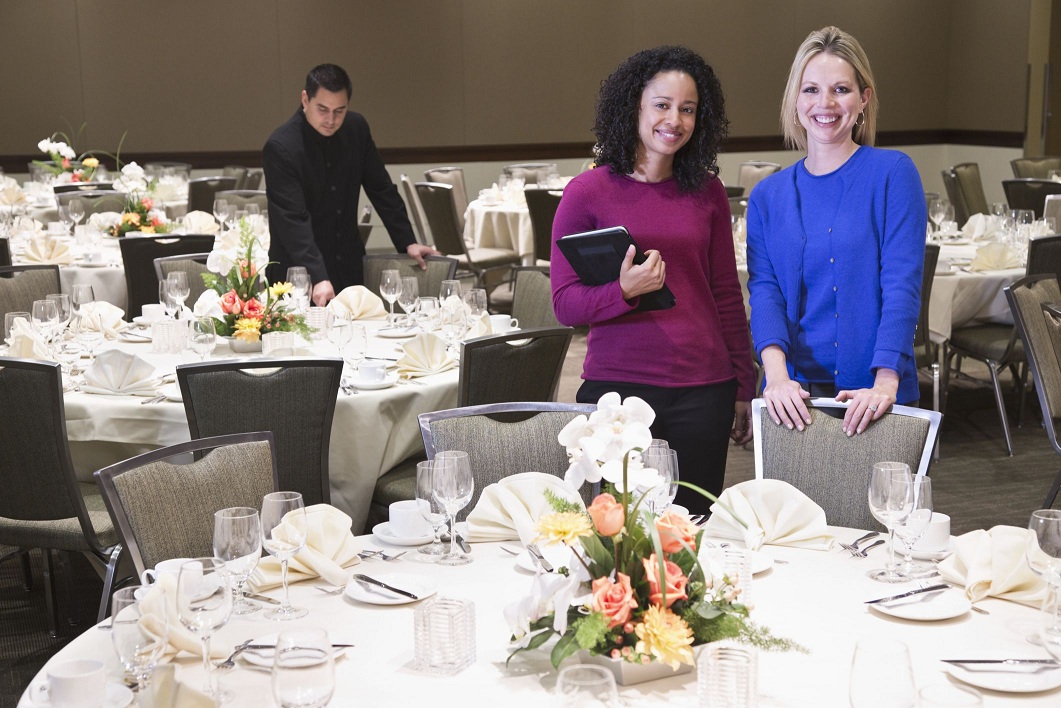
The venue should match the number of guests and the nature of the celebration. Indoor venues suit formal events, while outdoor locations are ideal for relaxed gatherings.
Food and Beverages
Food is one of the most remembered aspects of any party. Hosts should consider dietary preferences and cultural expectations while planning menus.
Entertainment
Entertainment keeps guests engaged. Options may include music, games, live performances, or interactive activities.
Guest List Management
Preparing a proper guest list ensures comfortable space usage and smooth event coordination.
Steps to Plan a Party Efficiently
Planning helps avoid last-minute confusion and ensures a pleasant experience for everyone involved.
Follow these steps:
- Decide the purpose of the party
- Select date and venue
- Prepare guest list
- Arrange decorations
- Plan menu
- Organize entertainment
- Send invitations in advance
Careful preparation increases the chances of a successful and enjoyable event.
Cultural Significance of Parties
Across societies, parties reflect traditions, values, and shared identities. Festivals, weddings, and community gatherings demonstrate how celebrations connect people across generations.
Examples include:
- Festival celebrations with traditional foods
- Religious gatherings with rituals
- Community events encouraging unity
- Family celebrations preserving heritage
Such occasions strengthen cultural continuity and social belonging.
Modern Trends in Party Celebrations
Modern celebrations are evolving with changing lifestyles and technology. People now prefer personalized experiences that reflect creativity and convenience.
Popular trends include:
- Theme-based decorations
- Eco-friendly celebrations
- Digital invitations
- Outdoor celebration spaces
- Customized entertainment experiences
These innovations help hosts create unique and memorable events.
Conclusion
A party is more than a social gathering. It represents celebration, connection, and shared happiness. Whether simple or elaborate, each event strengthens relationships and creates lasting memories. With thoughtful planning and attention to detail, any party can become a meaningful experience for both hosts and guests.
Frequently Asked Questions
What is the main purpose of organizing a party
The main purpose is to celebrate special occasions, strengthen relationships, and create opportunities for social interaction.
How far in advance should a party be planned
Small gatherings can be planned within a few days, while larger celebrations usually require several weeks of preparation.
What factors influence the choice of party venue
Important factors include guest count, event purpose, budget, and accessibility of the location.
Why is a theme important for a party
A theme provides direction for decorations, food presentation, dress code, and entertainment planning.
How can hosts ensure guests feel comfortable at a party
Providing proper seating arrangements, welcoming interaction opportunities, and suitable refreshments helps guests feel relaxed.
What role does music play in a party environment
Music sets the mood and encourages interaction, making the atmosphere more enjoyable and lively.
How can parties be made environmentally friendly
Using reusable decorations, minimizing food waste, and choosing digital invitations help reduce environmental impact.