Photography: A Complete Beginner-to-Intermediate Guide to Capturing Powerful Images
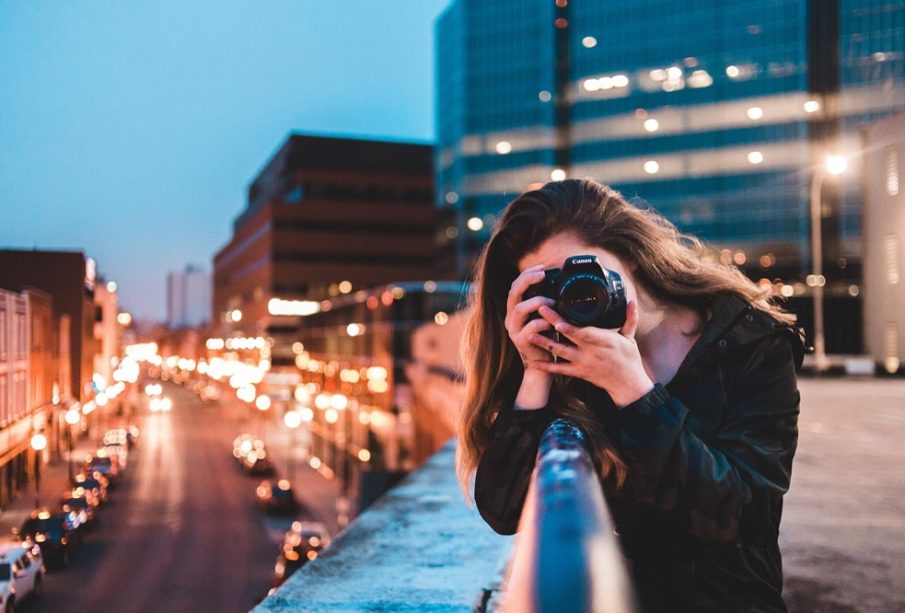
Photography is more than pressing a shutter button. It is the craft of observing light, understanding composition, and telling visual stories that communicate emotion, detail, and meaning. Whether you use a smartphone or a professional camera, strong photography depends on awareness, technique, and practice.
This guide explains the foundations of photography, essential techniques, composition strategies, lighting methods, and practical tips to help you create impactful images consistently.
Understanding the Basics of Photography
Before learning advanced techniques, it is essential to understand the three pillars of exposure. These elements control how bright or dark your photograph appears.
The Exposure Triangle
The exposure triangle consists of:
Aperture
- Controls how much light enters the lens
- Measured as f numbers such as f1.8, f4, f11
- Wider aperture creates background blur
- Narrow aperture increases sharpness across the frame
Shutter Speed
- Determines how long the camera sensor receives light
- Fast shutter freezes movement
- Slow shutter captures motion blur
ISO
- Adjusts the camera sensor’s sensitivity to light
- Lower ISO produces cleaner images
- Higher ISO increases brightness but introduces grain
Balancing these three settings helps create properly exposed images in any lighting condition.
Choosing the Right Camera Equipment
Great photography depends more on technique than equipment, but selecting suitable tools improves flexibility and results.
Types of Cameras
Common camera options include:
- Smartphones for convenience and portability
- Mirrorless cameras for advanced control and lightweight design
- DSLR cameras for versatility and lens compatibility
- Compact cameras for travel-friendly shooting
Essential Accessories
Useful photography accessories include:
- Tripod for stability
- Extra batteries for long sessions
- Memory cards with sufficient storage
- Lens cleaning cloth
Even minimal equipment can produce excellent images when used correctly.
Mastering Composition Techniques
Composition determines how viewers interpret your photograph. A strong composition guides attention naturally across the image.
Rule of Thirds
Divide your frame into nine equal sections using two horizontal and two vertical lines. Place subjects along these lines or intersections to create balanced images.
Leading Lines
Roads, fences, bridges, and rivers can direct viewers toward the main subject.
Framing
Use windows, branches, or doorways to surround your subject and create depth.
Symmetry and Patterns
Repeating shapes and reflections produce visually pleasing photographs.
Practicing these techniques improves storytelling clarity and visual appeal.
Understanding Lighting in Photography
Lighting defines mood, texture, and detail in photography. Learning to observe light is one of the most valuable skills a photographer can develop.
Natural Light
Natural light changes throughout the day:
- Morning light is soft and gentle
- Midday light creates strong shadows
- Evening light adds warmth and depth
Golden Hour Photography
The golden hour occurs shortly after sunrise and before sunset. It produces warm tones and flattering shadows.
Direction of Light
Different lighting directions create different effects:
- Front light reduces shadows
- Side light enhances texture
- Backlight creates silhouettes and dramatic outlines
Understanding direction helps control emotional tone in images.
Camera Shooting Modes Every Photographer Should Know
Most cameras provide several shooting modes that assist learning and creativity.
Auto Mode
Best for beginners who want quick results without manual adjustments.
Aperture Priority Mode
Allows control over background blur while the camera adjusts shutter speed automatically.
Shutter Priority Mode
Useful for capturing movement such as sports or wildlife.
Manual Mode
Provides complete control over exposure settings for advanced creative decisions.
Learning manual mode improves confidence and adaptability in changing conditions.
Practical Photography Tips for Better Results
Improving photography requires consistent attention to technique and observation.
Follow these practical tips:
- Keep your lens clean
- Hold the camera steady
- Shoot during early morning or evening
- Experiment with different angles
- Avoid cluttered backgrounds
- Focus on the subject’s eyes in portraits
- Review images and learn from mistakes
Small adjustments often produce noticeable improvements.
Editing and Post Processing Basics
Editing enhances image quality without changing the authenticity of the photograph.
Common editing improvements include:
- Adjusting brightness and contrast
- Correcting color balance
- Cropping for better composition
- Sharpening important details
Moderate editing helps images look natural and professional.
Building Your Photography Skills Over Time
Photography improves through regular practice and experimentation.
Effective learning strategies include:
- Shooting daily when possible
- Studying professional photographs
- Practicing different lighting conditions
- Exploring new subjects such as landscapes, portraits, and street scenes
- Reviewing mistakes and refining technique
Consistency builds visual awareness faster than expensive equipment upgrades.
FAQ Section
What is the most important rule in photography?
Understanding light is the most important rule. Light determines mood, clarity, contrast, and subject visibility in every photograph.
Can beginners learn photography without a professional camera?
Yes. Many strong photographers begin using smartphones. Learning composition and lighting matters more than owning expensive gear.
What is the best time of day for photography?
Early morning and late evening provide soft light that improves image quality and reduces harsh shadows.
How can I make my photos look more professional?
Focus on composition, keep backgrounds simple, use natural light effectively, and adjust exposure carefully.
Is manual mode necessary for good photography?
Manual mode is not required at the beginning, but learning it improves creative control and understanding of exposure.
How do photographers avoid blurry images?
Use faster shutter speeds, stabilize the camera with both hands or a tripod, and ensure proper focus on the subject.
How often should beginners practice photography?
Regular practice several times per week helps develop observation skills and technical confidence more quickly than occasional shooting.