Entertainment: Meaning, Evolution, Forms, and Its Influence on Modern Society

Entertainment is a vital part of human life. It shapes culture, reflects social values, and provides relaxation in an increasingly fast-paced world. From traditional storytelling to modern streaming platforms, entertainment continues to evolve alongside technology and audience preferences. This article explores the meaning of entertainment, its major categories, historical development, modern trends, and its impact on society.
What Is Entertainment
Entertainment refers to any activity, performance, or content designed to engage, amuse, or emotionally involve an audience. It can be passive, such as watching films, or interactive, such as playing games or attending live events.
Common purposes of entertainment include:
- Relaxation after daily routines
- Emotional connection through stories and music
- Cultural expression and identity building
- Social interaction and shared experiences
- Learning through engaging formats
Entertainment today exists across both physical and digital environments, making it accessible to people worldwide.
The Historical Evolution of Entertainment
Entertainment has transformed dramatically across centuries.
Ancient Era
In ancient civilizations, entertainment included storytelling, music, dance, and theatre. Greek amphitheatres hosted dramatic performances that explored themes of politics, morality, and human nature.
Medieval Period
Entertainment during this time involved traveling performers, folk music, puppet shows, and festivals. These performances helped communities stay connected and culturally expressive.
Industrial Age
Technological innovation introduced cinema, radio broadcasting, and later television. These developments changed entertainment from local experiences to mass communication.
Digital Age
Today, entertainment is dominated by streaming services, gaming platforms, and social media. Audiences now consume content on demand rather than following fixed schedules.
Major Forms of Entertainment Today
Entertainment exists in many formats that appeal to different interests and age groups.
Film and Cinema
Films remain one of the most influential entertainment mediums globally. They combine storytelling, visual art, music, and performance to create immersive experiences.
Cinema contributes to entertainment by:
- Presenting diverse cultural narratives
- Inspiring creativity and imagination
- Reflecting social realities
- Introducing new artistic techniques
Streaming platforms have expanded access to films beyond traditional theatres.
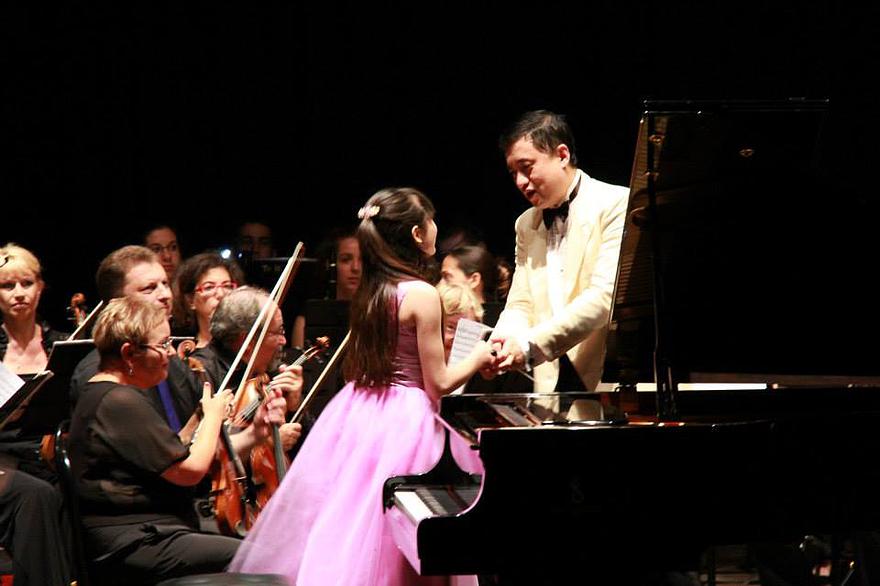
Music and Performing Arts
Music is one of the oldest forms of entertainment. It connects people emotionally across cultures and languages.
Popular performing arts include:
- Concerts
- Theatre productions
- Dance performances
- Cultural festivals
Live performances continue to attract audiences despite the growth of digital content.
Television and Streaming Platforms
Television transformed entertainment by bringing visual storytelling into homes. Today, streaming platforms offer flexible viewing options and global content access.
Advantages of streaming entertainment include:
- On-demand viewing
- Personalized recommendations
- Multi-device accessibility
- Wide variety of genres
Streaming has reshaped how audiences discover and consume entertainment content.
Digital Gaming and Interactive Media
Gaming has become one of the fastest-growing entertainment industries worldwide. It allows users to participate actively rather than observe passively.
Interactive entertainment includes:
- Console gaming
- Mobile games
- Online multiplayer platforms
- Virtual reality experiences
These formats encourage creativity, teamwork, and problem-solving skills.
Social Media as a Modern Entertainment Hub
Social media platforms now serve as powerful entertainment channels. Users watch short videos, follow creators, and engage with trending content daily.
Key entertainment features of social media include:
- Short-form video storytelling
- Influencer content creation
- Live streaming sessions
- Audience participation through comments and sharing
This form of entertainment is highly personalized and constantly evolving.
Cultural Importance of Entertainment
Entertainment plays a significant role in shaping social identity and preserving traditions.
Its cultural contributions include:
- Promoting regional languages and art forms
- Preservering heritage storytelling traditions
- Encouraging artistic innovation
- Supporting creative industries and employment
Through entertainment, societies communicate values across generations.
Economic Impact of the Entertainment Industry
The entertainment sector contributes significantly to global economies. It creates employment opportunities in areas such as production, writing, acting, design, editing, and marketing.
Economic benefits include:
- Growth of tourism through festivals and film locations
- Expansion of creative careers
- Increased digital platform investments
- Support for independent artists and creators
The industry continues to expand due to increasing digital accessibility.
Future Trends in Entertainment
The entertainment industry continues to evolve with technological advancements.
Emerging developments include:
- Artificial intelligence in content production
- Virtual reality storytelling
- Interactive audience participation experiences
- Global collaboration across creative industries
These innovations are shaping the next generation of entertainment experiences.
Conclusion
Entertainment remains an essential part of human life. It connects people across cultures, encourages creativity, and supports economic development. As technology continues to transform content creation and distribution, entertainment will become even more accessible and interactive in the future.
Frequently Asked Questions
1 What are the main categories of entertainment
Major categories include film, music, television, theatre, gaming, social media content, and live performances.
2 How has technology changed entertainment consumption
Technology has enabled on-demand viewing, global accessibility, mobile entertainment platforms, and interactive experiences.
3 Why is entertainment important for mental well-being
Entertainment helps reduce stress, improves mood, encourages relaxation, and provides emotional connection through storytelling and music.
4 What role does streaming play in modern entertainment
Streaming platforms allow users to watch content anytime, anywhere, without depending on traditional broadcast schedules.
5 How does entertainment support cultural preservation
Entertainment preserves traditions through music, theatre, festivals, and storytelling that reflect community identity and heritage.
6 What skills are needed for careers in entertainment
Creative thinking, communication skills, technical expertise, teamwork, and adaptability are essential for success in entertainment fields.
7 How is gaming influencing modern entertainment culture
Gaming encourages interactive storytelling, social collaboration, and competitive digital events that attract global audiences.