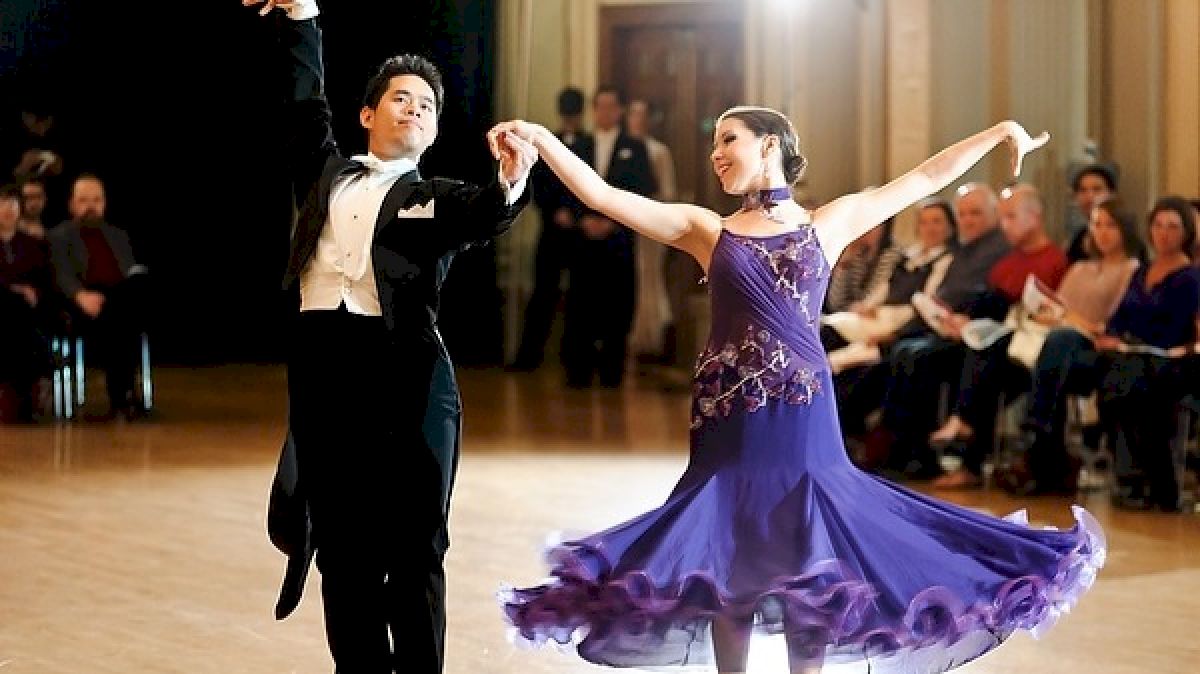
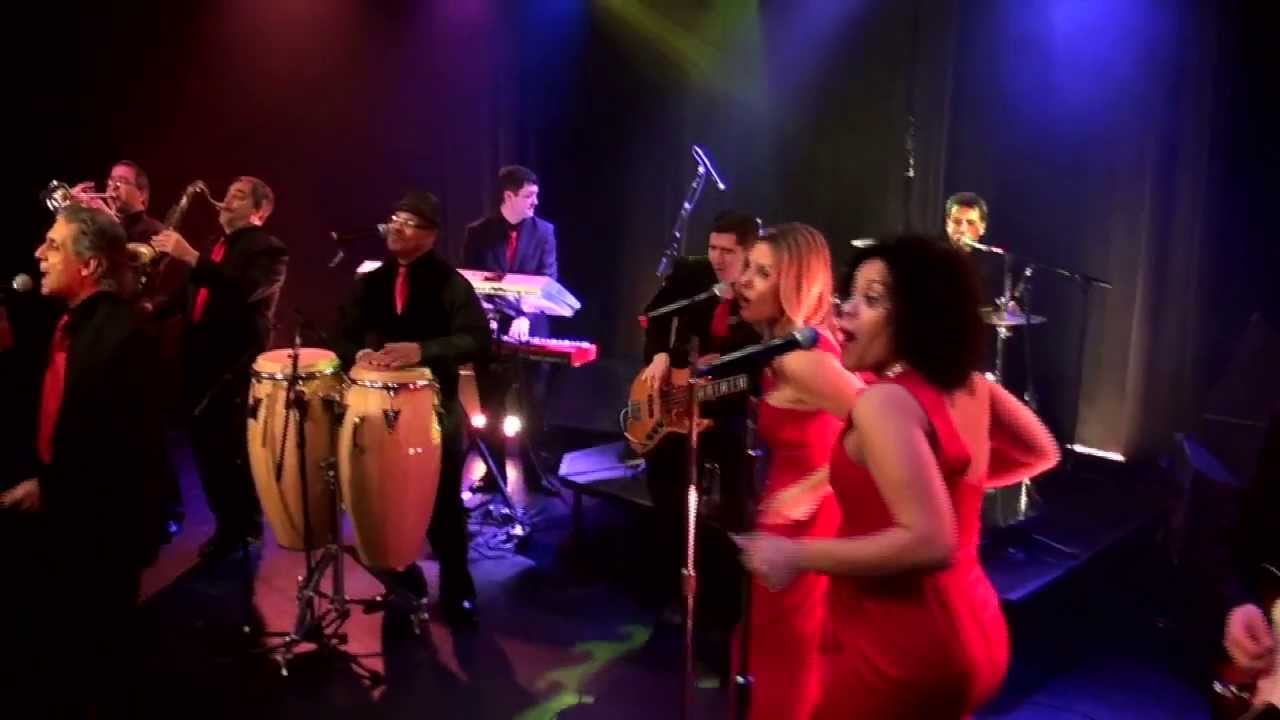
Dance: A Universal Language of Expression, Culture, and Creativity
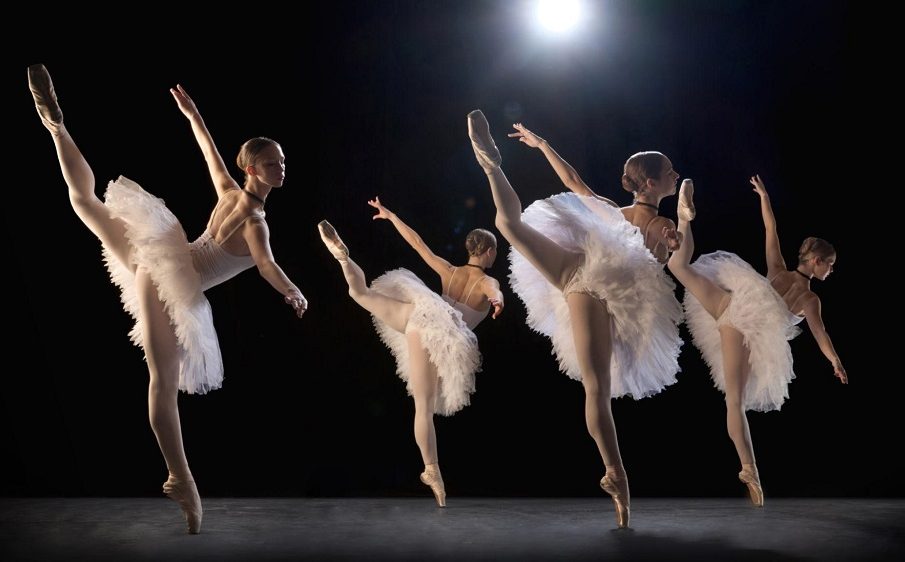
Dance is one of humanity’s oldest and most powerful forms of expression. Across continents and centuries, people have used movement to celebrate traditions, communicate emotions, tell stories, and build social connections. Today, dance continues to evolve while preserving its cultural roots, making it both timeless and dynamic.
What Is Dance
Dance is a structured form of movement performed rhythmically, often accompanied by music. It combines physical motion, artistic intention, and emotional expression. While some dances follow strict techniques and traditions, others encourage improvisation and personal creativity.
Dance exists in nearly every society and plays roles in:
- Cultural rituals
- Religious ceremonies
- Social gatherings
- Entertainment industries
- Physical fitness routines
Its versatility makes dance both an art form and a universal human activity.
The Historical Roots of Dance
Dance dates back thousands of years. Early humans used movement to communicate stories, honor nature, and celebrate important events. Archaeological discoveries such as cave paintings and temple sculptures reveal that dance was central to ancient civilizations.
Over time, dance evolved into structured traditions including:
- Classical court performances
- Folk celebrations
- Sacred ceremonial movements
- Theater-based storytelling
These early practices laid the foundation for modern dance styles practiced today.
Major Types of Dance Around the World
Dance can be categorized into several major forms depending on technique, purpose, and cultural background.
Classical Dance
Classical dance traditions follow codified techniques and expressive storytelling methods. Examples include:
- Bharatanatyam
- Kathak
- Ballet
- Odissi
These styles often require years of disciplined training and emphasize posture, gestures, and rhythm precision.
Folk Dance
Folk dances represent the identity of local communities and are usually performed during festivals and celebrations.
Common characteristics include:
- Group participation
- Traditional costumes
- Cultural storytelling
- Regional music accompaniment
Examples include Garba, Bhangra, and Ghoomar.
Contemporary and Modern Dance
Modern dance emerged as a response to classical rigidity and encourages creative freedom. Contemporary styles combine elements from multiple traditions and emphasize emotional interpretation.
Street and Social Dance
Street dance styles originated in urban communities and continue to influence global youth culture.
Popular forms include:
- Hip hop
- Breakdance
- Locking
- Popping
These styles highlight rhythm, individuality, and innovation.
Cultural Importance of Dance
Dance serves as a bridge between generations and communities. It preserves heritage while strengthening collective identity.
Its cultural significance includes:
- Passing traditions across generations
- Celebrating festivals and rituals
- Strengthening social unity
- Representing regional identity globally
Through dance, communities maintain their historical memory and artistic continuity.
Health Benefits of Dancing
Dance is not only artistic but also highly beneficial for physical and mental well-being.
Key physical benefits include:
- Improved cardiovascular fitness
- Better flexibility and posture
- Increased muscle strength
- Enhanced coordination and balance
Mental health advantages include:
- Reduced stress levels
- Increased self-confidence
- Emotional expression
- Improved memory and focus
Because it combines movement with enjoyment, dance remains one of the most sustainable forms of exercise.
Dance as a Career Opportunity
The dance industry has expanded significantly with opportunities across education, entertainment, and digital platforms.
Career paths include:
- Professional performer
- Dance teacher
- Choreographer
- Fitness instructor
- Cultural researcher
- Stage production specialist
Digital media has further opened avenues for independent artists to showcase talent globally.
Role of Dance in Education
Dance plays an important role in holistic learning environments. Schools increasingly include movement-based activities to support creativity and discipline.
Educational benefits include:
- Development of body awareness
- Improved teamwork skills
- Strengthened concentration
- Encouragement of creative thinking
Students exposed to dance often demonstrate stronger confidence and expressive ability.
Technology and the Future of Dance
Technology continues to reshape how dance is taught, performed, and shared.
Emerging innovations include:
- Online training platforms
- Motion capture choreography tools
- Virtual performance stages
- Global collaboration through digital media
These developments are making dance more accessible than ever before.
FAQ Section
What is the primary purpose of dance
The primary purpose of dance varies across cultures but generally includes expression, storytelling, celebration, and communication through movement.
At what age can someone start learning dance
People can begin learning dance at any age. Early childhood is ideal for flexibility development, but adults can also successfully learn and enjoy dance.
Is dance considered both art and exercise
Yes, dance is both an artistic activity and a physical workout that supports overall health and creativity.
How long does it take to become skilled in dance
Skill development depends on practice frequency, training quality, and dedication. Consistent learning over several years produces strong technique.
Can dance improve mental health
Yes, dance supports emotional expression, reduces anxiety, improves mood, and increases confidence.
Do all dance forms require music
Most dance styles involve music, but some experimental forms focus purely on rhythm, silence, or body movement patterns.
What makes dance different from other performing arts
Dance communicates meaning primarily through body movement rather than spoken language, making it universally understandable across cultures.