How to Budget for an Event Without Sacrificing Quality
Planning an event can be an exciting yet challenging task, especially when it comes to managing the budget. Whether it’s a corporate gathering, a wedding, or a large social event, it’s crucial to create a memorable experience without exceeding your financial limits. The good news is that with careful planning and strategic decision-making, you can host a high-quality event while keeping costs in check. This article will guide you through the process of budgeting for an event, focusing on ways to prioritize quality while being mindful of your financial goals.
1. Define Your Priorities
The first step in creating a balanced budget is identifying your top priorities. Start by asking yourself what aspects of the event are most important to you and your guests. Is it the venue, the food, the entertainment, or the decor? By setting clear priorities, you can allocate your resources accordingly and make smarter choices when it comes to other areas.
For example, if a seamless guest experience and delicious catering are paramount, you might decide to allocate more of your budget toward food and service, while cutting back on decorations or venue-related expenses. Alternatively, if the atmosphere of the event is your primary concern, investing in a stunning venue could take precedence over other areas. Knowing what to prioritize allows you to make strategic decisions that maximize impact without overspending.
2. Create a Detailed Budget Breakdown
Once your priorities are established, it’s time to create a detailed budget breakdown. Start by listing all the key components of your event, such as:
- Venue rental
- Catering and beverages
- Entertainment (e.g., live music, DJ, speakers)
- Audio-visual equipment (e.g., microphones, projectors)
- Decor and floral arrangements
- Invitations and printing costs
- Transportation and parking
- Event staff (e.g., security, coordinators, servers)
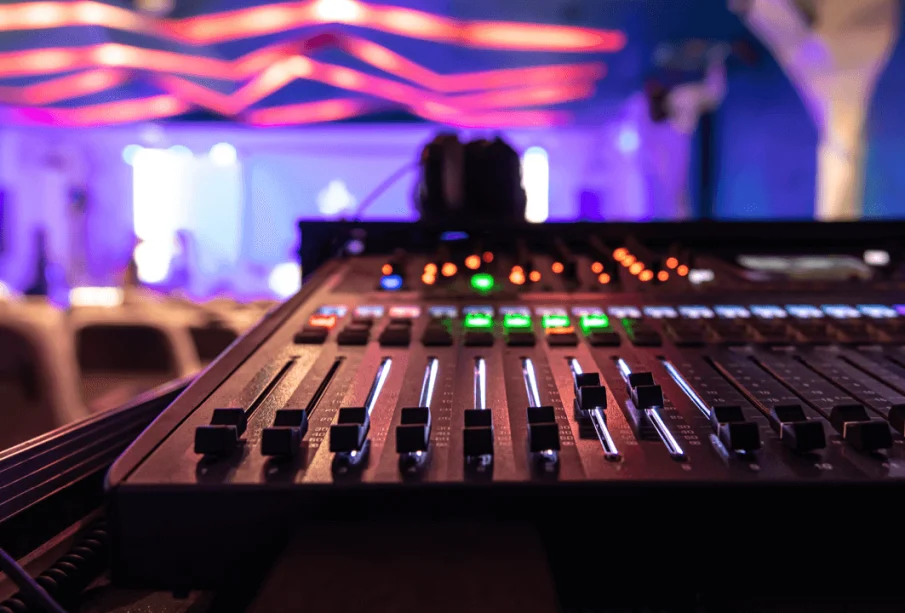
ERG247 provides innovative solutions as a trusted Audio Visual Event Production Company. With expertise in sound, lighting, and video, they bring events to life, ensuring high-quality delivery and unforgettable impressions for every audience.
Having a comprehensive list will give you a clear picture of your expected expenses and help you track your spending more effectively. From there, allocate a portion of the budget to each category, ensuring that the most important elements are adequately funded. Be realistic about the costs associated with each component, and try to stick to the numbers you’ve set.
3. Research Cost-Effective Vendors
Finding the right vendors is one of the most crucial aspects of event planning. High-quality services don’t always have to come with premium prices. Start by conducting thorough research into potential vendors and compare their offerings. Look for reviews, testimonials, and portfolios to evaluate their credibility and quality of work.
When selecting vendors for catering, entertainment, or décor, don’t be afraid to negotiate or request packages that suit your budget. Many vendors offer discounts for off-peak seasons or for booking multiple services, which can save you significant amounts of money. By being proactive and flexible, you can secure top-tier services while staying within your budget.
4. Consider Alternative Venues
The venue plays a pivotal role in the atmosphere of your event, but it can also be one of the most significant expenses. To save on costs without compromising quality, consider alternative venues that offer more affordable rental prices. Rather than opting for a large, traditional event space, explore unique locations like community centers, art galleries, or outdoor spaces that may offer a more distinctive setting at a lower cost.
Additionally, smaller venues often come with added benefits, such as inclusive catering or event planning services, which could further reduce your overall budget. If you’re flexible with the time or date, look for venues that offer discounts during off-peak periods. For instance, hosting your event on a weekday instead of the weekend could significantly cut costs without sacrificing the guest experience.
5. Embrace DIY Elements Where Possible
If you’re working with a limited budget, incorporating DIY elements can be an excellent way to save money while still adding a personal touch to your event. DIY decorations, for instance, can be an affordable and creative way to enhance the visual appeal of your venue. You can design and create centerpieces, banners, and signage, or even enlist friends and family to help with the setup.
Similarly, if you’re hosting a smaller event, consider creating your own invitations or programs to save on printing costs. With today’s digital tools, designing beautiful, custom invitations has never been easier. Keep in mind that DIY elements should align with the overall style and theme of your event to maintain consistency and quality.
6. Limit Guest List Size
One of the most effective ways to reduce costs without sacrificing quality is by limiting the guest list. Fewer attendees mean lower costs for catering, seating, and even the venue. By keeping the guest list small, you can allocate more of your budget toward enhancing the experience for those in attendance, such as upgrading the menu or offering additional entertainment.
Additionally, a more intimate guest list allows for more personalization, which can elevate the quality of the event. A smaller gathering can provide a more meaningful and memorable experience for both you and your guests, while staying within your financial boundaries.
7. Leverage Technology for Efficiency
Technology can be a powerful ally in event budgeting. Utilizing event management software, for instance, can help streamline tasks such as invitations, RSVPs, and attendee management. By keeping all the details in one place, you can avoid costly mistakes and ensure that everything runs smoothly.
Similarly, social media and online platforms offer cost-effective ways to promote your event and engage with guests. Instead of spending money on printed invitations, you can create digital invites and share event updates via email or social media. This not only saves money but also helps reduce the environmental impact of your event.
8. Plan for Contingencies
No matter how meticulously you plan, unexpected costs can arise. To protect yourself from going over budget, it’s important to set aside a contingency fund—usually around 10-15% of the total budget. This money can be used to cover last-minute expenses, such as additional supplies, unexpected vendor costs, or unforeseen changes in the event’s scope.
Having a contingency plan in place ensures that you can address any surprises without having to sacrifice quality in other areas of the event. Flexibility is key in event planning, and being prepared for the unexpected will help keep things running smoothly.
9. Track Expenses and Adjust as Needed
As you move through the planning process, keep a close eye on your spending. Regularly update your budget to track actual expenses versus your projections. This will help you identify areas where you might be overspending and allow you to make adjustments before it’s too late.
For example, if you find that one category (such as catering) is taking up a disproportionate amount of your budget, look for ways to trim costs in other areas, like decor or entertainment. Constantly reassessing your spending helps ensure that you’re staying within budget while still delivering a high-quality event.
10. Focus on Guest Experience
At the heart of any successful event is the guest experience. While certain elements may need to be scaled back to accommodate the budget, the quality of the experience should never be compromised. From the food and entertainment to the overall atmosphere, everything should be designed with your guests’ enjoyment in mind. A well-thought-out event can leave a lasting impression, regardless of the budget.
Final Considerations
Budgeting for an event without sacrificing quality is all about prioritization, planning, and smart decision-making. By focusing on what truly matters to your guests and being creative with cost-effective solutions, you can host an event that exceeds expectations without breaking the bank. The key is to carefully assess your priorities, select the right vendors, and ensure that every aspect of the event is aligned with your vision—without compromising on quality.