Nightclub: Culture, Experience, and Modern Entertainment Spaces
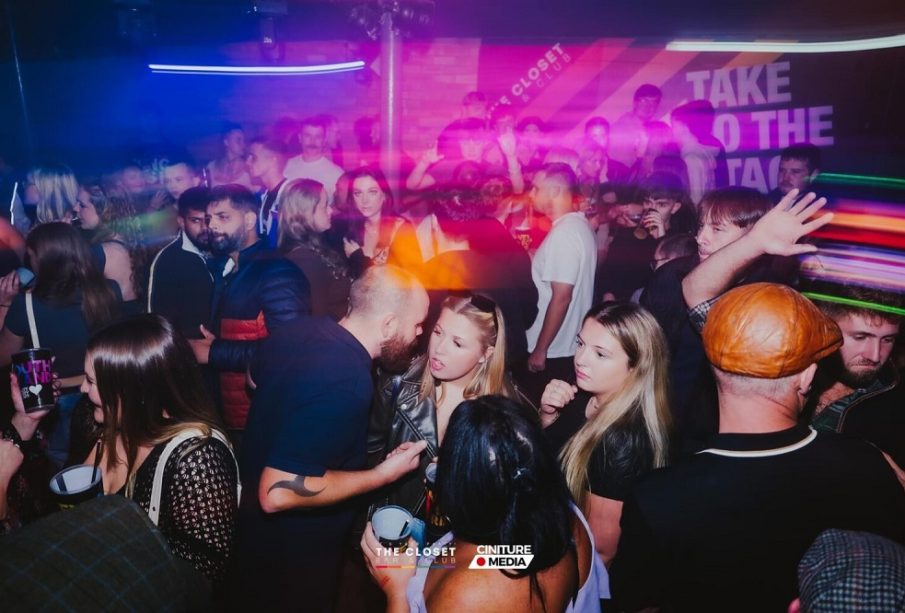
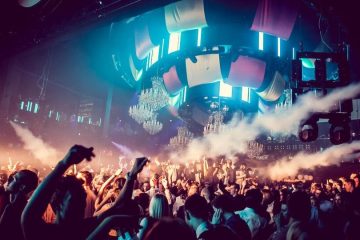
A nightclub is a late-night entertainment venue designed for music, dancing, social interaction, and immersive nightlife experiences. Typically operating after sunset and often continuing until early morning hours, nightclubs blend sound, lighting, atmosphere, and hospitality to create an energetic environment that attracts diverse audiences across age groups and cultures.
Over time, nightclubs have evolved from simple dance halls into technologically advanced social hubs that reflect music trends, fashion movements, and urban lifestyles.
What Is a Nightclub
A nightclub is a commercial entertainment space where people gather primarily to enjoy music and dance in a lively environment. Unlike daytime cafés or lounges, nightclubs focus on high-energy atmospheres supported by professional sound systems, lighting effects, and live performances.
Common characteristics include:
- Loud, rhythm-driven music
- A dedicated dance floor
- A DJ booth or performance stage
- Bar service with beverages
- Decorative lighting systems
- Late operating hours
Modern nightclubs often integrate visual projections, themed interiors, and curated music programming to enhance guest engagement.
History and Evolution of Nightclubs
The concept of nightlife entertainment spaces dates back centuries, but modern nightclubs began emerging prominently during the early twentieth century in major metropolitan centers.
Key phases in nightclub development include:
- Early jazz-era dance halls in the 1920s
- Swing and ballroom culture of the 1930s and 1940s
- Disco movement of the 1970s
- Electronic dance music expansion in the 1990s
- Contemporary immersive nightlife experiences powered by digital technology
Today, nightclubs represent both entertainment venues and cultural trendsetters influencing music, fashion, and social behavior.
Layout and Design of a Modern Nightclub
Nightclub interiors are carefully designed to balance comfort, movement flow, and visual excitement. Every element contributes to the overall guest experience.
Typical layout components include:
Dance Floor
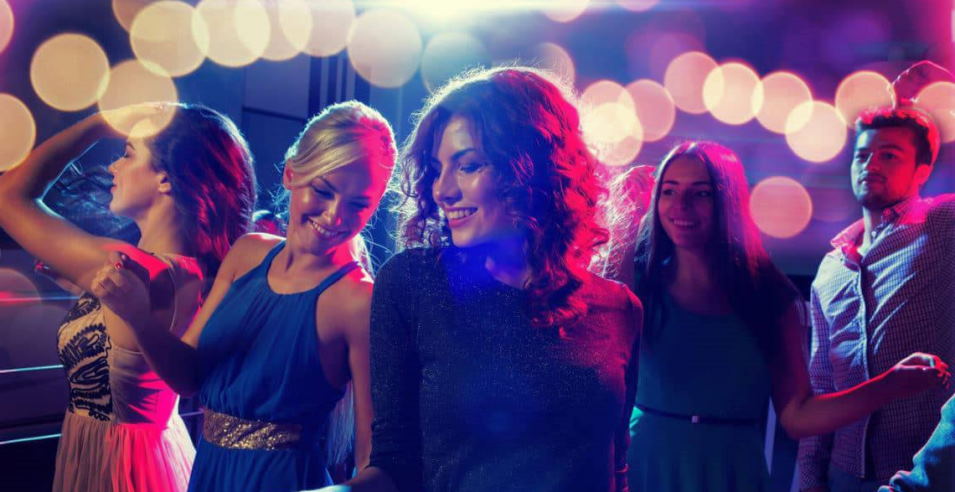
The central attraction of most nightclubs. It is usually positioned near the DJ booth and enhanced with lighting effects to encourage participation.
DJ Booth or Performance Stage
This area houses the music control system where DJs mix tracks and manage transitions to maintain energy throughout the night.
Bar Section
Strategically placed to remain accessible without interrupting dance space traffic. Bars often serve both alcoholic and non-alcoholic beverages.
VIP Seating Areas
Reserved spaces designed for guests seeking privacy and premium service experiences.
Lighting and Visual Systems
These include:
- LED panels
- Laser lighting
- Moving head lights
- Smoke machines
- Projection screens
Together, they create a visually immersive environment synchronized with music rhythms.
Music Styles Played in Nightclubs
Music defines the personality of a nightclub. Different venues specialize in different genres depending on their audience and theme.
Popular nightclub music styles include:
- Electronic dance music
- House music
- Techno
- Hip-hop
- Bollywood dance tracks
- Pop remixes
- Regional fusion beats
Professional DJs curate playlists to maintain consistent energy levels across the night.
Social Role of Nightclubs in Urban Life
Nightclubs serve as important social gathering spaces that encourage interaction and relaxation after work or study hours. They are especially significant in metropolitan areas where nightlife culture contributes to tourism and entertainment economies.
They often function as:
- Meeting points for friends
- Celebration venues for birthdays and events
- Platforms for emerging music artists
- Spaces for cultural expression through dance
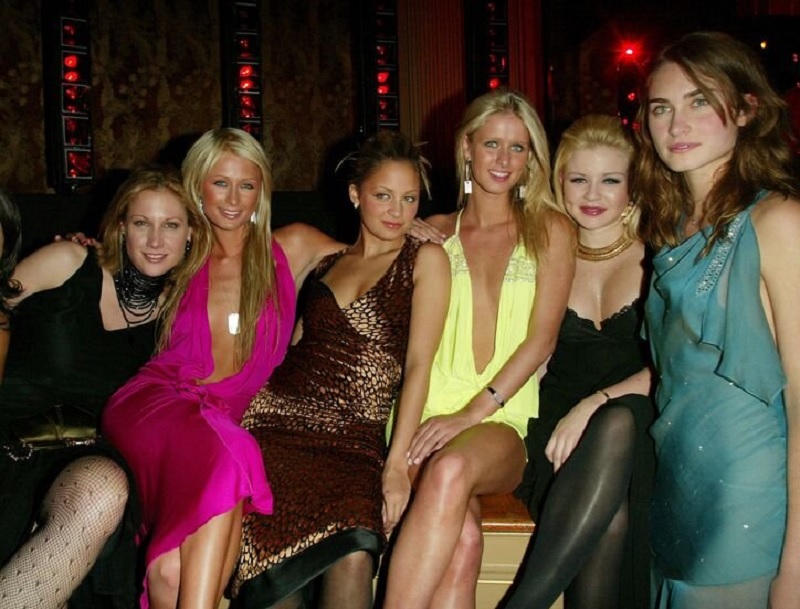
Nightclubs also influence fashion trends and youth culture across cities worldwide.
Safety and Etiquette Inside Nightclubs
Responsible behavior ensures a positive experience for everyone attending.
Important nightclub etiquette includes:
- Respecting personal space on the dance floor
- Following venue dress codes where applicable
- Cooperating with security staff
- Avoiding disruptive conduct
- Staying aware of personal belongings
Most reputable nightclubs implement structured safety measures including trained staff and surveillance systems.
Technology Used in Modern Nightclubs
Technology plays a central role in shaping contemporary nightclub experiences.
Common technological features include:
- Digital DJ controllers
- High-fidelity surround sound systems
- Programmable LED lighting arrays
- Motion-triggered lighting effects
- Visual mapping projections
These systems allow venues to create synchronized audio-visual environments that respond dynamically to music tempo and crowd movement.
Economic Importance of Nightclubs
Nightclubs contribute significantly to local economies, particularly in tourism-driven cities.
Their impact includes:
- Job creation in hospitality and entertainment sectors
- Support for music professionals and performers
- Attraction of domestic and international visitors
- Growth of nearby restaurants and transport services
Nightlife districts often become cultural identity markers for major cities.
Dress Code Culture in Nightclubs
Dress expectations vary depending on venue type and target audience.
Common nightclub dress styles include:
- Smart casual outfits
- Trend-based fashion
- Partywear attire
- Theme-specific clothing for special events
Dress codes help maintain the venue’s visual identity and atmosphere.
Future Trends in Nightclub Experiences
Nightclubs continue evolving alongside entertainment technology and social expectations.
Emerging trends include:
- immersive digital lighting environments
- hybrid live performance and DJ events
- themed nightlife storytelling spaces
- contactless entry systems
- sustainability-focused venue operations
These developments indicate that nightlife venues are becoming more experience-driven rather than simply music-focused.
Frequently Asked Questions About Nightclubs
What is the typical age requirement to enter a nightclub
Most nightclubs set minimum age requirements based on local regulations. In many regions, entry is restricted to adults aged eighteen or above.
How long do nightclubs usually stay open
Operating hours vary by location, but many nightclubs open late evening and continue until early morning hours.
Do all nightclubs play the same type of music
No. Each nightclub usually focuses on specific music genres depending on its theme and audience preferences.
Are reservations required for nightclub entry
Reservations are not always required, but they are often recommended for weekends or special events.
What is a VIP section in a nightclub
A VIP section is a reserved seating area offering enhanced comfort, privacy, and personalized service.
Can nightclubs host private celebrations
Yes. Many nightclubs allow bookings for birthdays, corporate gatherings, and themed parties.
Are non-alcoholic beverages available in nightclubs
Yes. Most nightclubs serve a range of non-alcoholic drinks alongside their standard beverage menu.