The Cultural Importance of Traditional Dance and Music
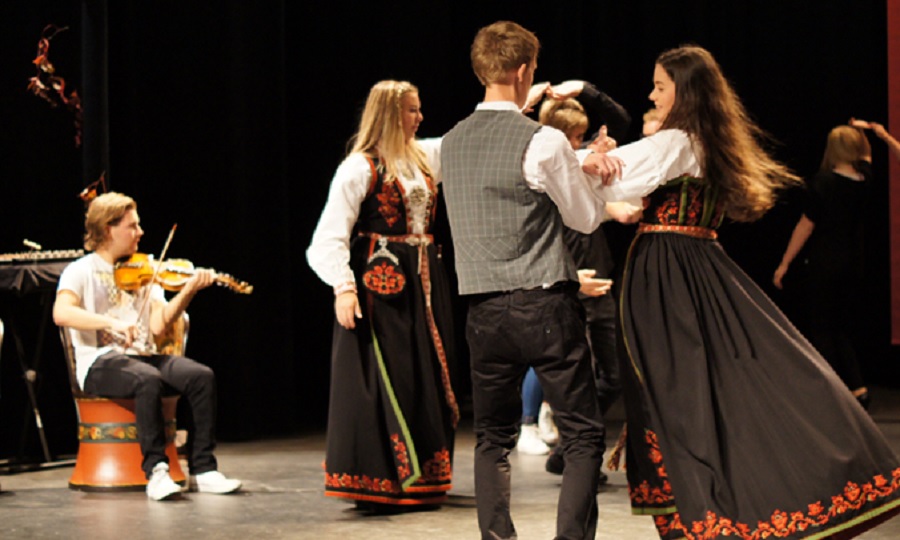
Traditional dance and music are profound expressions of a community’s identity, history, and values. They embody the spirit of a people, capturing their stories, rituals, and emotions in ways that words often cannot. Beyond their aesthetic appeal, these art forms serve as vital connectors between generations and as a means of preserving cultural heritage.
This article delves into the cultural significance of traditional dance and music, exploring their roles in storytelling, community bonding, rituals, and education.
1. Preserving History and Storytelling
Traditional dance and music often serve as living archives of a community’s history. Through rhythmic movements, melodies, and lyrics, they recount tales of triumph, struggle, love, and tradition that might otherwise fade into obscurity.
For example, Indigenous dances in North America frequently depict stories of creation, nature, and survival. Similarly, the ballads of Ireland or the folk songs of West Africa carry narratives that span centuries, preserving historical events and moral lessons. These performances become vivid, dynamic forms of storytelling, allowing communities to maintain a connection to their roots.
The fusion of movement and sound creates a multisensory experience, ensuring that the essence of a story remains vivid and memorable for future generations.
2. Strengthening Community Bonds
Traditional dance and music bring people together, fostering a sense of unity and shared identity. They often play a central role in festivals, weddings, and communal gatherings, where participation transcends age, gender, and social status.
Take, for instance, the lively samba of Brazil’s Carnival or the traditional circle dances of Eastern Europe. In these settings, individuals contribute to a collective rhythm, moving in harmony with one another. This communal aspect strengthens social cohesion, reminding participants of their interconnectedness and shared cultural heritage.
Moreover, the act of learning and performing traditional dances or songs often involves collaboration and mentorship, further deepening bonds within the community.
3. Expression of Cultural Identity
Traditional dance and music serve as powerful symbols of cultural identity, showcasing the unique characteristics of a community. Each rhythm, gesture, and instrument carries cultural significance, reflecting the values, beliefs, and environment of the people who created them.
For example, flamenco from Spain conveys the passionate spirit of Andalusian culture, blending influences from Romani, Moorish, and Jewish traditions. Similarly, traditional Japanese Noh theater incorporates music and movement to reflect themes of spirituality and discipline deeply rooted in Japanese culture.
By preserving and performing these art forms, communities assert their individuality and celebrate their heritage in a world that is increasingly interconnected.
4. Enhancing Rituals and Ceremonies
Traditional dance and music are integral to many rituals and ceremonies, from religious observances to rites of passage. They create an atmosphere of reverence or celebration, amplifying the emotional and spiritual significance of the occasion.
In Bali, for example, the mesmerizing gamelan orchestra accompanies dances performed during temple ceremonies, creating a profound sense of spirituality. Similarly, Native American powwows use drumming and dance to honor ancestors, connect with nature, and celebrate cultural traditions.
These practices often serve as a bridge between the physical and spiritual realms, reinforcing the values and beliefs central to a community’s way of life.
5. Educating Future Generations
Traditional dance and music are invaluable tools for passing down knowledge and skills to younger generations. They teach not only the technical aspects of performance but also the stories, values, and traditions that underpin them.
Through participation, children learn about their heritage in an engaging and interactive manner. They develop an appreciation for their cultural roots and a sense of pride in their identity. For instance, African drumming workshops or Polynesian hula classes often blend performance instruction with lessons about the history and significance of these art forms.
This hands-on approach ensures that cultural knowledge is not only preserved but also internalized by those who will carry it forward.
6. Bridging Cultural Divides
While traditional dance and music are deeply rooted in specific cultures, they also have the power to transcend borders and foster mutual understanding. Performances often captivate audiences from different backgrounds, sparking curiosity and appreciation for the culture being represented.
International festivals, cultural exchanges, and workshops create platforms where traditional art forms can be shared and celebrated. For example, Irish step dancing has gained global recognition, bringing a piece of Irish culture to audiences worldwide. Similarly, Bollywood music and dance have captured hearts across continents, showcasing the vibrancy of Indian traditions.
Through these interactions, traditional dance and music become instruments of diplomacy, promoting respect and unity among diverse communities.
7. Inspiring Modern Art Forms
Traditional dance and music often serve as inspiration for contemporary artists, blending timeless elements with modern techniques to create something entirely new. This interplay ensures that traditional art forms remain relevant while introducing them to broader audiences.
For instance, modern ballet performances frequently incorporate movements from traditional dances, while contemporary musicians sample folk melodies in their compositions. This dialogue between the past and present enriches both realms, allowing traditional expressions to thrive in new contexts.
Traditional dance and music are far more than artistic expressions; they are vital threads in the fabric of human culture. By celebrating and preserving these art forms, we honor the creativity, resilience, and spirit of the communities that sustain them. Their rhythms and melodies echo across generations, reminding us of the universal power of movement and sound to connect, inspire, and endure.