The Future of Music: Trends to Watch

Music, as a form of artistic expression, has always adapted and transformed in response to shifts in technology, culture, and society. The way we create, consume, and experience music continues to evolve, with groundbreaking innovations on the horizon. As we look toward the future, several trends are emerging that promise to redefine the music industry. From advancements in digital technology to the rise of new genres and platforms, the future of music holds endless possibilities.
1. Artificial Intelligence and Music Creation
One of the most exciting developments in the future of music is the growing role of artificial intelligence (AI) in music creation. AI has already begun to influence the way music is produced, and it is poised to take center stage in the future. AI-powered tools are now capable of composing entire pieces of music, producing intricate melodies, and even mimicking the style of well-known artists.
Programs like OpenAI’s Jukedeck and Amper Music are already enabling musicians and creators to produce high-quality music with minimal effort. These tools not only assist with composition but also offer new ways for artists to collaborate with technology, creating unique sounds and experiences that might have been impossible otherwise. As AI continues to develop, it is likely that musicians will have access to an even wider array of innovative tools, helping to push the boundaries of creativity.
Moreover, AI is also changing how music is personalized. Services like Spotify and Apple Music already use AI to recommend songs based on listening history, but in the future, these algorithms will likely become more sophisticated, offering hyper-personalized music experiences tailored to an individual’s mood, location, and preferences in real time.
2. The Growth of Virtual and Augmented Reality in Live Performances
Another trend shaping the future of music is the integration of virtual and augmented reality (VR and AR) into live performances. Over the past few years, we have witnessed virtual concerts becoming increasingly popular, especially during the pandemic, when in-person events were limited. Artists like Travis Scott, Marshmello, and Fortnite have already hosted immersive virtual concerts in video games, blurring the line between reality and the digital world.
As technology improves, VR and AR experiences will become even more immersive, allowing audiences to feel as if they are physically present at a concert, no matter where they are in the world. Fans could potentially attend virtual concerts with friends from different countries, experiencing live performances in 360 degrees with interactive elements that make them feel as though they are sharing the same space with the performers.
Beyond entertainment, VR and AR could also be used for music education and collaboration. Aspiring musicians may one day practice in virtual environments, receiving feedback and instruction from AI-driven tutors or collaborating with other artists from around the globe in virtual studios.
3. Music Streaming and the Shift Toward High-Fidelity Audio
While music streaming platforms like Spotify, Apple Music, and YouTube Music have become the dominant means of accessing music, there is a growing demand for higher-quality sound. The future of music streaming will likely see a shift toward high-fidelity (Hi-Fi) audio, providing listeners with an unparalleled audio experience. High-resolution formats such as FLAC (Free Lossless Audio Codec) and MQA (Master Quality Authenticated) are becoming more accessible, promising clearer, more detailed sound.
Streaming services are already rolling out Hi-Fi options for audiophiles, and as internet speeds and storage capacities improve, more listeners will be able to enjoy superior sound quality. For music lovers who value the richness and depth of sound, the ability to stream music at a higher resolution will elevate the listening experience, making it more akin to being in a live performance.
Moreover, the rise of high-fidelity audio is also influencing how music is recorded and produced. Artists and producers are becoming more focused on delivering the highest possible sound quality, ensuring that every note and instrument is captured with exceptional clarity. The future of music may not only sound better but also offer a deeper connection to the artistry behind the music.
4. The Impact of Blockchain and NFTs on Music Ownership
In the past, the music industry was primarily controlled by record labels, and artists often received a fraction of the revenue generated by their music. However, the advent of blockchain technology and non-fungible tokens (NFTs) has the potential to radically alter this dynamic, allowing musicians to take control of their work and directly engage with their fans.
Blockchain offers a decentralized platform for music distribution, enabling artists to track the ownership and licensing of their music in a transparent and secure way. NFTs, meanwhile, allow artists to create unique digital assets linked to their music, such as exclusive tracks, concert tickets, and collectible content. By offering these NFTs to fans, musicians can sell directly to their audience, bypassing intermediaries like record labels and ensuring that they receive a larger share of the revenue.
The concept of “music ownership” could also evolve in the future, with fans being able to buy and trade ownership stakes in their favorite songs, albums, or even entire catalogs. This could foster a deeper sense of connection between artists and fans, with listeners gaining the ability to invest in the success of their favorite musicians.
5. The Rise of Independent Artists and DIY Music Production
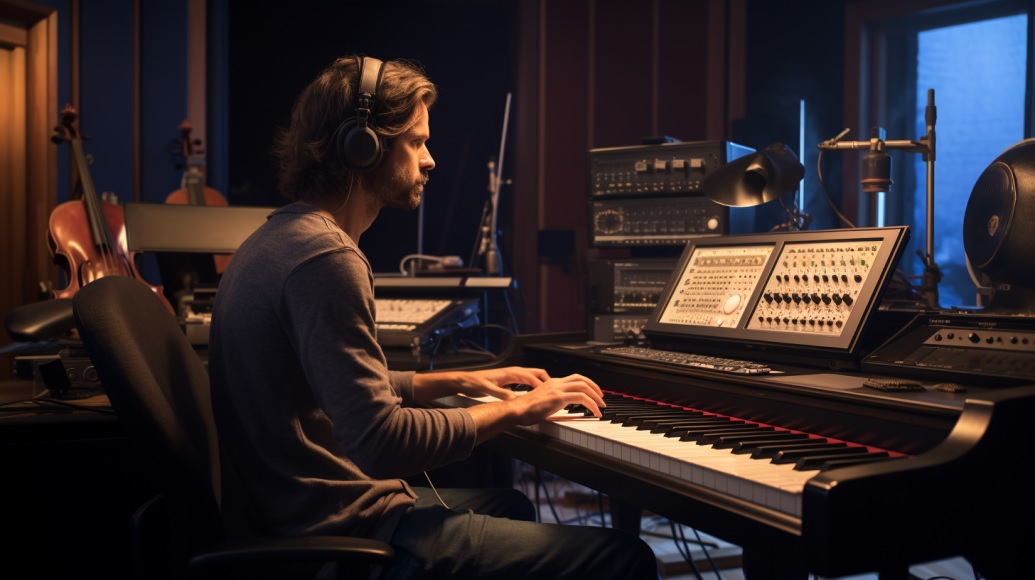
As technology continues to democratize music production, more and more independent artists are emerging who are capable of producing, distributing, and promoting their own music without the need for a major record label. Home studios equipped with affordable software and high-quality equipment allow musicians to produce professional-grade music on their own terms.
Platforms like Bandcamp, SoundCloud, and Patreon provide artists with the tools to distribute their music, engage with fans, and generate revenue directly. In addition, social media platforms like TikTok and Instagram have allowed independent musicians to build loyal followings and gain recognition without relying on traditional media channels.
The future of music will likely see an even greater rise in DIY musicians, with more people using digital tools and platforms to make music that reflects their unique voice and vision. The line between the mainstream music industry and independent creators will continue to blur, allowing for a more diverse range of sounds and styles to emerge.
6. Music and Social Impact: Activism Through Sound
Finally, the future of music is likely to see an even more pronounced connection between music and social activism. Music has long been a platform for expressing political and social messages, and as global issues such as climate change, social justice, and inequality continue to dominate the conversation, musicians will play a crucial role in shaping the discourse.
Artists are already using their platforms to raise awareness and inspire change, and as new technologies enable more immediate and global connections, their impact will only grow. Music festivals, online performances, and social media platforms will continue to be powerful tools for mobilizing communities and driving social movements.
The Future is Now
The future of music is brimming with possibilities. From AI-powered music creation to immersive virtual concerts, high-fidelity audio, and the rise of independent artists, the music industry is evolving in ways that were once unimaginable. As technology continues to advance, music will undoubtedly become even more integrated into our lives, offering new ways to create, consume, and experience it. Music’s ability to adapt to new technologies and social trends ensures its place as a timeless and transformative force in human culture.