Exploring the Use of Piano in Film Scores
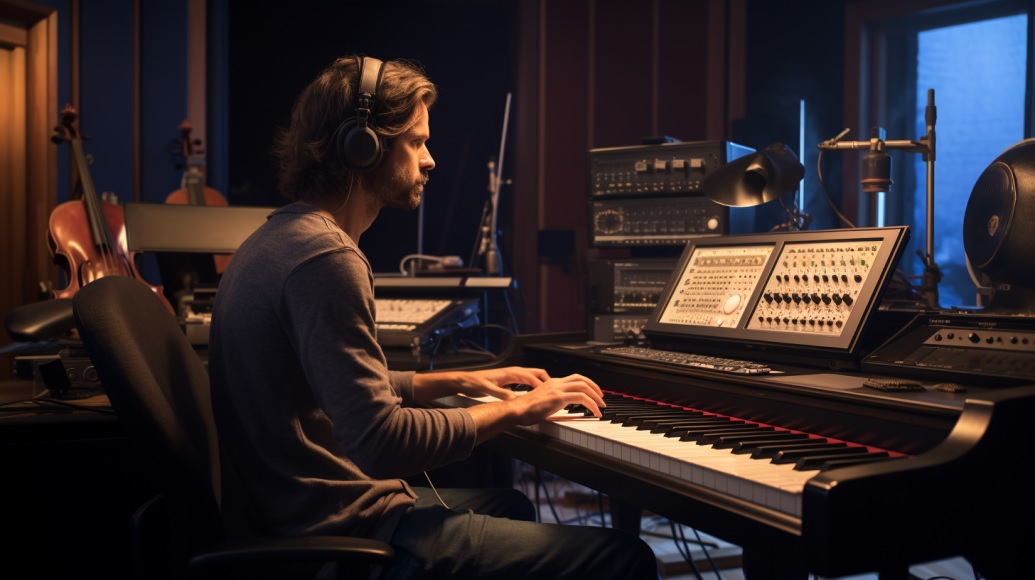
The piano has long been a staple of film scoring, its versatility allowing composers to craft a wide range of emotions, from the somber and introspective to the dynamic and thrilling. Unlike many other instruments, the piano provides an expansive palette for storytelling, making it an ideal choice for scoring films of various genres. This article explores how the piano has been employed in film scores, highlighting its impact on cinematic storytelling and its role in creating unforgettable cinematic moments.
1. The Emotional Range of the Piano
One of the defining features of the piano is its remarkable emotional range. Its ability to play both soft, delicate passages and powerful, thunderous chords allows composers to manipulate the mood and tone of a film effortlessly. From the gentle melodies in romantic dramas to the bold, dramatic statements in action sequences, the piano can evoke an array of emotions.
For instance, in romantic films, a simple, flowing piano melody can capture the tenderness and longing between characters. Conversely, in thrilling scenes, the sharp staccato notes or rapid, ascending arpeggios can heighten tension and anticipation. This emotional versatility is one reason why the piano is such a popular instrument in film scoring.
2. Creating Atmosphere and Setting
Film scores are essential in establishing the atmosphere of a scene. The piano’s nuanced tones make it especially effective in setting the mood for various environments. Its ability to produce both melodic lines and accompanying harmonic structures means it can be used to create a sense of place, time, or emotional context.
For example, in a scene set in a grand, opulent ballroom, a lush, sweeping piano melody might convey the elegance and sophistication of the setting. In contrast, a sparse, haunting piano passage might evoke a sense of isolation or foreboding in a suspenseful scene. The piano’s ability to reflect the mood of a scene without overpowering it makes it a valuable tool for composers seeking to immerse the audience in the world of the film.
3. Memorable Themes and Motifs
Another significant role the piano plays in film scores is the creation of memorable themes and motifs. Many composers use the piano to develop iconic musical themes that become synonymous with the film itself. These themes often carry an emotional weight, helping to define characters, relationships, or the film’s overarching message.
Consider John Williams’ iconic theme for Schindler’s List. The piano’s somber, yet poignant, melody enhances the emotional depth of the story, drawing the audience into the gravity of the narrative. Similarly, composers like Hans Zimmer have used the piano to craft motifs that resonate throughout their films, weaving them into the fabric of the movie and creating a lasting connection with the audience.
4. The Piano’s Role in Minimalist Scoring
In recent years, minimalist compositions have become more prominent in film scores. Minimalism relies on simplicity and repetition to create a meditative, often haunting atmosphere. The piano’s ability to produce clear, distinct notes allows composers to focus on small variations and repetition, often with subtle changes in dynamics or rhythm to build tension over time.
A prime example of minimalist scoring with the piano is the work of composers such as Philip Glass, whose music for The Hours features repeating piano figures that create a sense of time passing, blending seamlessly with the film’s reflective and emotional tone. This style of scoring allows the piano to take center stage, subtly driving the emotional arc of the film.
5. Piano in Action and Suspense
While the piano is often associated with more delicate, emotional moments, it also plays a significant role in action and suspense scenes. In these contexts, the piano’s sharp, percussive qualities can provide a sense of urgency and excitement. Through rapid runs, dissonant harmonies, and sudden shifts in dynamics, the piano can drive the intensity of a scene, making it an essential element in thrillers, heist films, and action-packed sequences.
In films like The Dark Knight, Hans Zimmer uses the piano to create an undercurrent of tension, often combining it with electronic elements and orchestral forces. The resulting sound adds depth to the action, enhancing the dramatic impact of each sequence. The piano’s ability to seamlessly transition from a gentle melody to an intense burst of energy makes it ideal for moments of heightened suspense.
6. Collaborating with Other Instruments
While the piano is often featured as a solo instrument, it is also a key player in the orchestral texture of many film scores. Composers frequently blend the piano with strings, brass, and percussion to create rich, layered soundscapes. This combination enhances the emotional impact of the music, allowing the piano to shine while complementing the other instruments in the ensemble.
For example, in The Pianist, composer Wojciech Kilar blends the piano with a lush orchestral arrangement to reflect the character’s emotional turmoil and inner conflict. The interaction between the piano and orchestra helps to elevate the score, creating a more immersive experience for the viewer.
7. The Piano’s Solo Performance in Film
There is something deeply personal and raw about a piano solo, which is why it has been a central feature in numerous films where the piano serves as an expression of a character’s inner world. Whether it’s a character playing the piano as an act of personal reflection or a climactic performance within the narrative, the piano can be a powerful vehicle for storytelling.
In films such as Shine, where the protagonist’s relationship with the piano is explored in depth, the piano becomes a tool for the character’s emotional release. These solo performances often capture the character’s personal struggles and triumphs, adding a profound layer to the storytelling.
8. Influence of Classical and Contemporary Piano Music
The piano’s use in film scores is heavily influenced by both classical and contemporary music traditions. Classical composers like Beethoven and Chopin, known for their expressive and technically sophisticated piano works, have inspired many film composers. These influences can be heard in the sweeping, romantic melodies and intricate harmonies that characterize many film scores.
On the other hand, contemporary pianists and composers such as Ludovico Einaudi and Max Richter have contributed to the evolution of piano music in film, blending classical techniques with modern minimalism. Their works have helped to define the sound of contemporary film scores, further cementing the piano’s role in cinematic music.
The Piano’s Timeless Contribution to Film Scoring
The piano’s rich tonal palette, emotional versatility, and ability to create powerful thematic motifs have made it an indispensable instrument in film scoring. From emotional ballads to tense, thrilling moments, the piano provides composers with the tools needed to enhance storytelling and resonate with audiences on a deeper level. Its ability to seamlessly blend with other instruments while also standing out in solo performance ensures its continued relevance in the world of film music, contributing to some of the most memorable moments in cinematic history.