How Nightclubs Are Adapting to the Digital Age
The digital age has ushered in a new era for nightlife, profoundly transforming how nightclubs operate, market themselves, and engage with their audience. As technology continues to evolve, so too do the strategies employed by nightclubs to remain relevant, competitive, and profitable. In a landscape where digital engagement and innovation are paramount, nightclubs must adapt quickly to stay ahead of trends and cater to a tech-savvy clientele. From embracing social media to enhancing customer experiences with advanced technology, nightclubs are navigating the digital age with creativity and precision.
1. Leveraging Social Media for Brand Building and Engagement
One of the most significant ways nightclubs have embraced the digital age is through social media. Platforms such as Instagram, Facebook, and TikTok have become essential tools for nightclubs to connect with their audience, build their brand identity, and stay top-of-mind.
Nightclubs now curate visually appealing content—photos, videos, and live streams—showcasing their ambiance, events, and DJ performances. Instagram, with its visual focus, allows clubs to share vibrant, captivating imagery, while TikTok’s viral potential enables nightclubs to reach younger audiences with short, engaging videos. By using these platforms, clubs can showcase what makes them unique, from their music lineup to their décor and atmosphere. Additionally, user-generated content (UGC) plays a crucial role in nightclub marketing. Patrons sharing their experiences at the venue help create a sense of community and social proof, making it easier for nightclubs to build trust and authenticity.
Through regular interaction with followers—whether through comments, direct messages, or sharing user-generated content—nightclubs also strengthen customer loyalty and foster a sense of belonging within their digital communities.
2. Online Ticketing and VIP Services
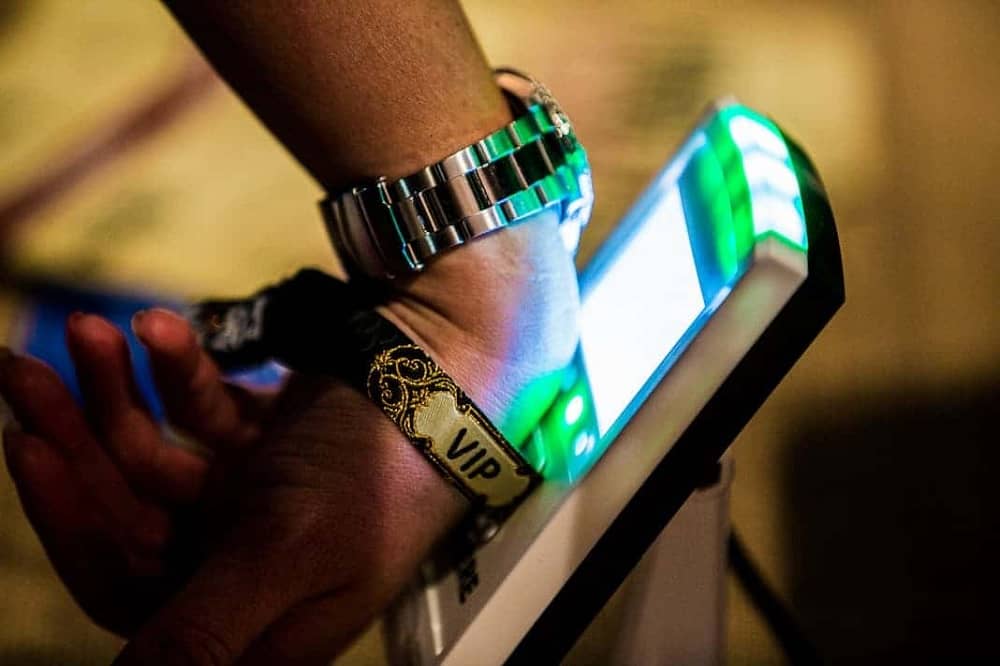
The convenience of purchasing tickets online has been a game-changer for nightclubs. Gone are the days of waiting in long lines at the door. Today, customers can purchase their tickets through the nightclub’s website or third-party platforms, which makes the process more streamlined and hassle-free. This system also allows nightclubs to track sales, manage guest lists, and ensure capacity limits are met.
For VIP customers, online reservation systems allow for easy booking of exclusive tables, bottle service, or private areas within the club. VIP sections are essential for nightclubs looking to provide an upscale experience, and digital booking systems make these offerings more accessible. Patrons can select and secure their spots before even stepping foot inside, adding an element of convenience that reflects the expectations of modern consumers.
3. Integrating Advanced Lighting and Sound Technology
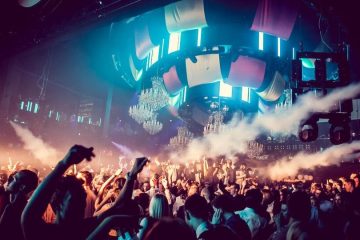
As nightclubs move into the digital age, the integration of advanced lighting and sound technology has become an essential aspect of their operations. Digital systems allow for a higher degree of precision in controlling lighting, sound, and visual effects, creating immersive experiences that resonate with the audience on a deeper level.
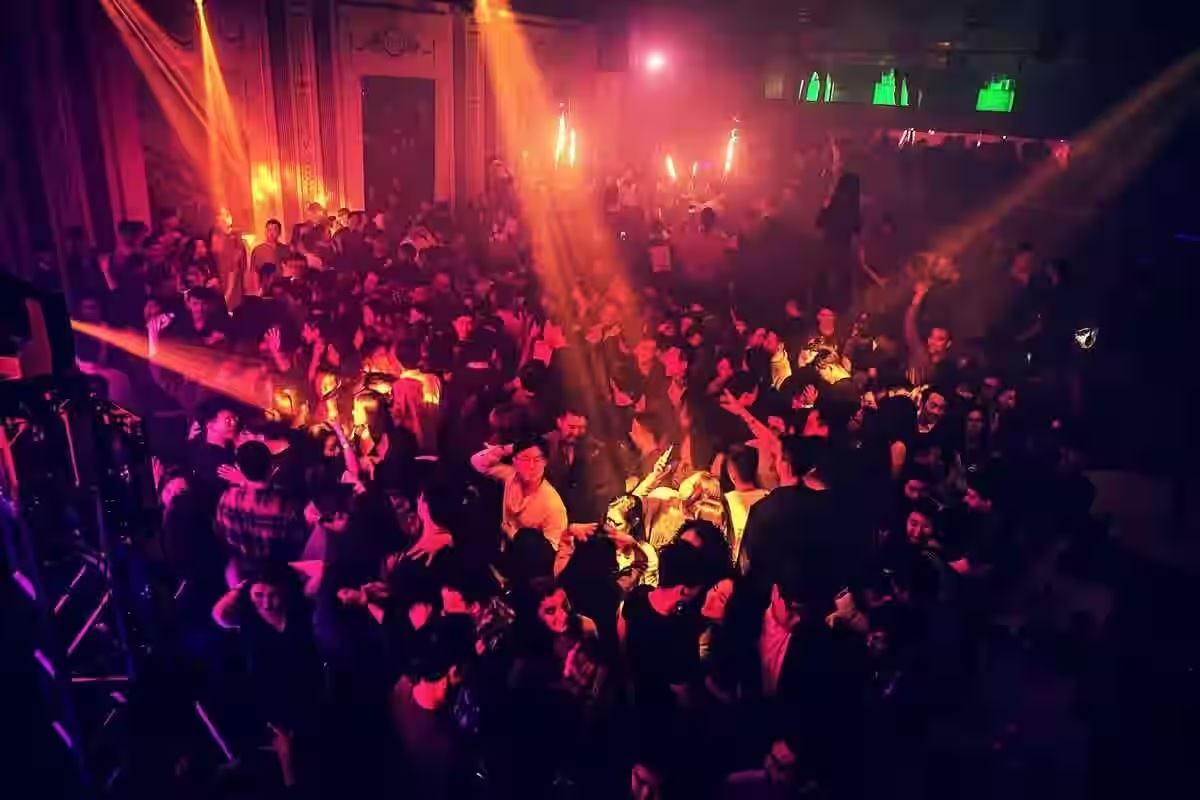
Nightclubs now use synchronized lighting systems that can adjust to the rhythm of the music, heightening the overall atmosphere. From LED lights to laser shows and video projections, technology allows nightclubs to craft a multi-sensory experience that goes beyond just the music. High-definition screens and visual displays also add to the spectacle, engaging the crowd with dynamic content that reflects the energy of the night. The digital integration of lights and sounds gives nightclubs a unique competitive edge, offering patrons a more thrilling, captivating experience.
4. Mobile Apps and Customer Experience Enhancements
To stay ahead of the competition, nightclubs are incorporating mobile apps that enhance the overall customer experience. These apps provide patrons with direct access to club details, such as event schedules, DJ lineups, and exclusive promotions. Moreover, apps allow customers to place drink orders, make table reservations, and even interact with other club-goers in real-time.
By using customer data, nightclubs can tailor their apps to provide personalized recommendations, promotions, and loyalty rewards. For example, if a patron frequently attends a particular event or enjoys a specific genre of music, the app may notify them of similar events in the future. This personalization adds an extra layer of convenience, making the nightclub experience more enjoyable and memorable.
Additionally, mobile apps also allow for contactless payment systems, reducing the need for physical cash and streamlining transactions. This convenience is increasingly important as more people prioritize safety and speed, especially in busy, high-energy environments like nightclubs.
5. Embracing Virtual and Augmented Reality Experiences
With the increasing popularity of virtual and augmented reality (VR/AR), some nightclubs have begun experimenting with these technologies to enhance the experience of their guests. VR can be used to create immersive, 3D environments where patrons can interact with their surroundings in unique ways. For example, a nightclub could offer virtual tours or VR games as part of its entertainment offering, adding a futuristic dimension to the experience.
AR, on the other hand, is being used to augment the physical space of the club with digital elements. Through mobile apps or AR glasses, patrons can access interactive content overlaid onto the environment, such as special effects, digital art installations, or branded experiences. This cutting-edge technology allows nightclubs to stand out and offer something entirely new to their guests, especially in a world where the demand for novelty and innovation is high.
6. Live Streaming and Hybrid Events
The digital age has also introduced the concept of live streaming as an essential tool for reaching a global audience. With social distancing measures and travel restrictions in place over the past few years, live streaming allowed nightclubs to keep their audience engaged from a distance. DJs, performances, and exclusive events could be broadcast online to anyone around the world, expanding the reach of the nightclub beyond its physical location.
Hybrid events—combining in-person experiences with digital components—have continued to grow in popularity. Patrons who can’t make it to the club in person can still participate through live streams, online chats, and virtual meetups. This hybrid approach allows nightclubs to cater to both local and global audiences, creating opportunities for revenue generation and fan engagement that wouldn’t have been possible before the digital shift.
7. Data Analytics for Better Decision Making
The digital age has provided nightclubs with powerful tools for data collection and analysis. Social media platforms, ticketing systems, and mobile apps all gather valuable data on customer behavior, preferences, and spending patterns. By analyzing this information, nightclubs can make informed decisions about event programming, marketing strategies, and customer engagement.
For example, data analytics can reveal which DJs or events attract the most attention, allowing nightclubs to fine-tune their bookings and target the right audience. It also helps with personalized marketing campaigns, offering discounts or incentives to specific customer segments based on their past behavior. The ability to make data-driven decisions has become a crucial advantage in the fast-paced and highly competitive nightclub industry.
8. Sustainability and Digital Solutions
As sustainability becomes an increasingly important consideration, nightclubs are turning to digital solutions to reduce their environmental impact. By using digital ticketing, reducing paper waste, and implementing energy-efficient lighting and sound systems, nightclubs can operate more sustainably while keeping up with the demands of modern consumers. Additionally, digital platforms enable nightclubs to streamline their operations, cutting down on unnecessary resources and helping them become more environmentally conscious.
9. Global Reach and Online Communities
The digital landscape also offers nightclubs a global platform to build and connect with international communities. Online communities, such as fan pages, forums, and social media groups, allow nightclubs to engage with fans worldwide, fostering a loyal base that transcends geographical limitations. This sense of global community helps build brand recognition and enhances the nightclub’s reputation, allowing it to tap into new markets and attract a diverse clientele.
Conclusion
In the digital age, nightclubs are no longer just physical spaces—they are dynamic, digital-first brands that engage with their audience on multiple levels. From enhancing customer experiences with mobile apps to leveraging social media for marketing and building global communities, nightclubs have evolved to meet the demands of the modern consumer. As technology continues to advance, those who embrace innovation and digital transformation will continue to lead the way in delivering unforgettable nightlife experiences.