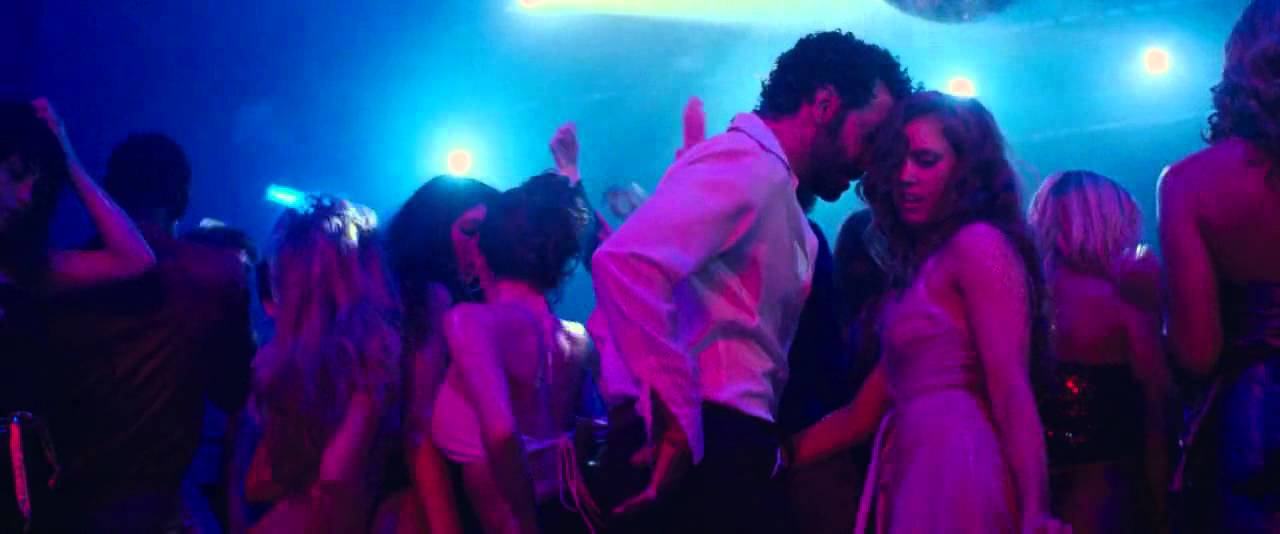
Nightclub: Exploring Nightlife Culture and Contemporary Entertainment Venues
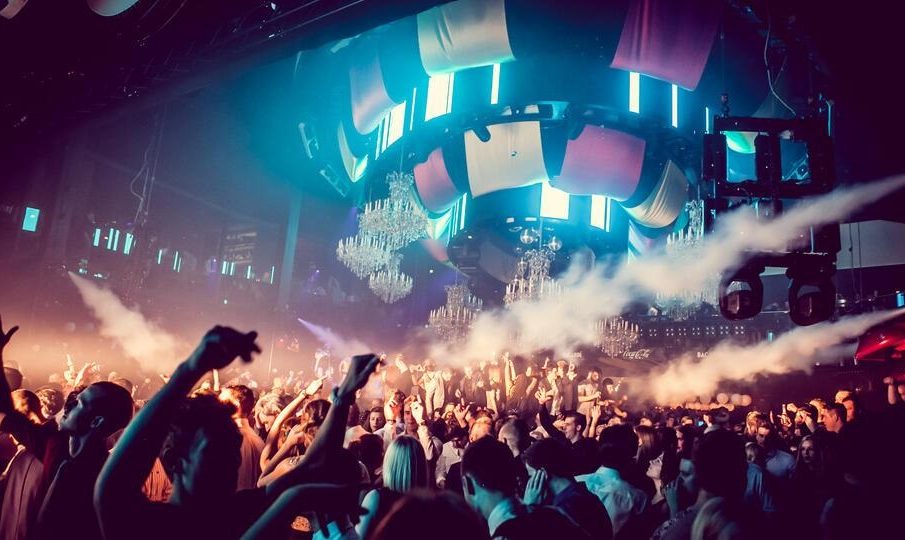
A nightclub is a late-evening entertainment venue where music, lighting, and social interaction combine to create an energetic environment for relaxation and celebration. These spaces are designed to deliver immersive experiences through sound systems, dance floors, themed interiors, and curated performances by DJs or live artists.
Across cities worldwide, nightclubs have become important cultural spaces that influence lifestyle trends, youth expression, and urban entertainment economies.
Understanding the Concept of a Nightclub
A nightclub is typically a venue that opens after sunset and continues operating late into the night. Unlike restaurants or cafés, its primary focus is music-centered entertainment supported by visual effects and social engagement.
Most nightclubs include:
- A spacious dance floor
- A professional DJ setup or performance stage
- Beverage service counters
- Decorative lighting installations
- Seating areas for relaxation
- Security and entry management systems
Together, these features create an environment built specifically for nightlife participation.
Origins and Growth of Nightclub Culture
The modern nightclub developed gradually alongside changes in music and urban lifestyles. Early dance halls introduced social dancing as entertainment, which later transformed into structured nightlife venues during the twentieth century.
Major influences that shaped nightclub culture include:
- Jazz-era dance gatherings in early metropolitan centers
- Ballroom and swing traditions during mid-century decades
- The disco movement that emphasized rhythm-driven dance culture
- Expansion of electronic music scenes globally
- Integration of digital lighting and sound technologies
Today, nightclubs reflect both global music trends and regional cultural identities.
Interior Structure and Functional Zones of Nightclubs
Nightclub environments are carefully planned to support movement, interaction, and visual engagement. Each section serves a specific purpose within the venue.
Dance Floor Area
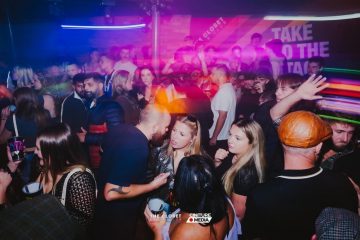
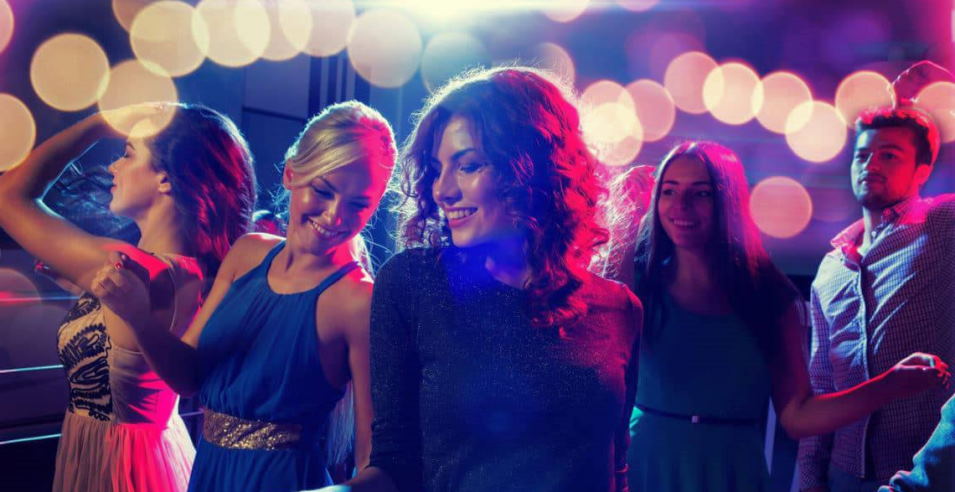
The dance floor acts as the central attraction where guests respond to music rhythms through movement. Lighting effects often highlight this space to enhance participation.
DJ Console or Performance Platform
This zone is where DJs mix tracks and manage sound transitions. It plays a crucial role in maintaining the energy level throughout the evening.
Beverage Service Section
Bar counters provide refreshments and are positioned to remain accessible without interrupting crowd flow.
Premium Seating Zones
Some venues include reserved seating sections that offer comfort and privacy for groups seeking a more exclusive experience.
Visual Lighting Installations
Lighting contributes significantly to atmosphere creation through:
- Dynamic LED panels
- Laser projections
- Moving stage lights
- Fog effects
- Ceiling-mounted lighting rigs
These systems work together to transform the venue environment continuously.
Music as the Core Element of Nightclub Identity
Music determines the personality of a nightclub and influences the audience it attracts. Different venues specialize in different sound styles.
Commonly featured music categories include:
- Electronic dance music
- House and techno
- Hip-hop and remix tracks
- Bollywood dance playlists
- Pop-influenced club mixes
- Regional fusion beats
Professional DJs often adapt playlists in response to crowd engagement throughout the night.
Social Importance of Nightclubs in Modern Cities
Nightclubs serve as active social platforms where people gather to unwind, celebrate milestones, and connect with others in energetic settings.
They often function as:
- Meeting spaces for friends and social groups
- Celebration venues for special occasions
- Cultural performance platforms for artists
- Lifestyle trend centers influencing fashion and music tastes
Urban nightlife districts frequently become important attractions for visitors seeking evening entertainment experiences.
Role of Technology in Enhancing Nightclub Experiences
Technology plays a central role in shaping modern nightclub environments. Advanced systems improve both sound quality and visual engagement.
Examples include:
- Digital music mixing consoles
- High-output surround sound systems
- Programmable lighting arrays
- Visual projection mapping tools
- Motion-sensitive lighting effects
These technologies allow venues to create synchronized sensory experiences that respond to music patterns.
Economic Contribution of Nightclubs to Local Communities
Nightclubs support several sectors within urban economies. Their presence often strengthens tourism and hospitality industries.
Economic benefits include:
- Employment opportunities in entertainment services
- Support for performers and technical staff
- Increased visitor activity in surrounding areas
- Collaboration with transport and food businesses
In many cities, nightlife zones contribute to overall urban cultural branding.
Dress Culture Associated with Nightclub Visits
Dress expectations vary depending on venue type, theme, and audience preferences. Many nightclubs maintain entry guidelines that match their visual identity.
Common attire styles include:
- Smart casual outfits
- Contemporary partywear
- Trend-inspired fashion choices
- Theme-based clothing during special events
Appropriate attire helps maintain the venue’s atmosphere and enhances guest confidence.
Safety Awareness Inside Nightclub Environments
Responsible participation helps ensure a comfortable experience for everyone present.
Guests are generally encouraged to:
- Respect personal space on crowded dance floors
- Follow venue guidelines provided by staff
- Keep personal belongings secure
- Cooperate with entry and security procedures
- Stay aware of surroundings throughout the visit
Most professional venues implement safety protocols to support guest well-being.
Future Developments in Nightclub Entertainment Spaces
Nightlife venues continue evolving alongside technological innovation and changing social expectations.
Emerging developments include:
- immersive digital visual environments
- hybrid DJ and live performance formats
- environmentally conscious venue operations
- smart ticketing and contactless entry systems
- themed entertainment storytelling concepts
These changes indicate a shift toward experience-focused nightlife design.
Frequently Asked Questions About Nightclubs
What activities usually take place inside a nightclub
Typical activities include dancing, listening to curated music, social interaction, and participation in themed entertainment events.
Do nightclubs operate every day of the week
Operating schedules vary by location, but many venues remain busiest during weekends and special event nights.
Are nightclubs only designed for young visitors
Although younger audiences often participate more frequently, nightclubs welcome adults across various age groups depending on venue policies.
Is live music performed in nightclubs
Some nightclubs feature live performers alongside DJs, especially during themed nights or special entertainment programs.
Why do nightclubs use advanced lighting systems
Lighting enhances atmosphere, synchronizes with music rhythms, and creates visually engaging environments that encourage participation.
Can tourists visit nightclubs in major cities
Yes. Nightclubs are popular attractions for visitors interested in experiencing local nightlife culture.
Do nightclubs follow entry guidelines for visitors
Most venues implement entry policies related to age requirements, dress expectations, and security procedures to maintain a structured environment.