The Role of Piano in Music: A Timeless Instrument at the Heart of Melody
The piano holds a distinguished place in the world of music, cherished for its versatility, emotional depth, and ability to adapt to diverse genres. Whether accompanying a soloist, leading an orchestra, or serving as a solo instrument, the piano has a profound impact on the music it touches. Below, we explore the many facets of the piano’s role in music, delving into its influence on performance, composition, education, and culture.
A Foundation for Musical Composition
The piano is often referred to as the “composer’s instrument,” a testament to its central role in the creation of music. Its wide range of notes, from the deepest bass to the highest treble, enables composers to experiment with melodies, harmonies, and dynamics in ways few other instruments can match.
- Exploring Harmonic Depth: The piano’s ability to play multiple notes simultaneously allows composers to layer complex harmonies. From classical symphonies to modern soundtracks, the piano often serves as the starting point for developing intricate arrangements.
- Visual Layout for Creativity: The linear arrangement of the piano keys provides composers with a clear visual representation of scales and chords, fostering innovation and precision in their work.
A Pillar in Musical Education
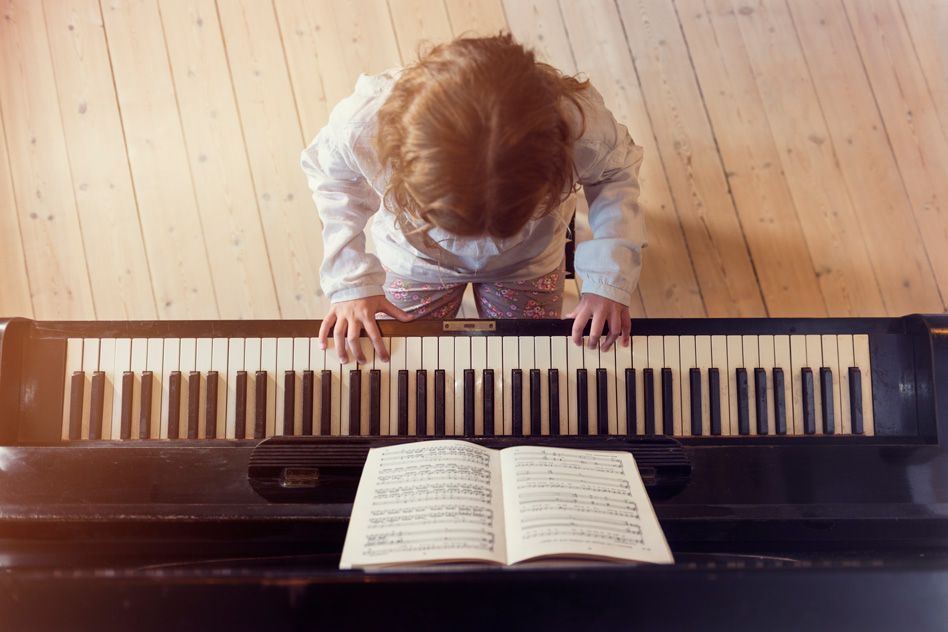
For those embarking on a musical path, the piano is widely regarded as an ideal starting point. Its design and structure make it uniquely suited for learning the fundamentals of music.
- Understanding Theory: The piano’s straightforward key layout helps beginners grasp essential concepts such as scales, intervals, and chord progressions. This foundational knowledge can be applied to other instruments as well.
- Developing Coordination: Playing the piano requires the coordination of both hands, fostering ambidexterity and fine motor skills. Over time, pianists develop an innate sense of rhythm and timing, skills that translate across all musical disciplines.
- A Gateway to Musical Appreciation: By learning the piano, students gain an appreciation for a wide range of musical styles, from classical masterpieces to contemporary works, broadening their cultural horizons.
An Instrument of Emotional Expression
Few instruments rival the piano in its capacity to convey emotion. Its dynamic range, from soft, delicate whispers to powerful, resounding chords, allows performers to evoke a vast spectrum of feelings.
- Solo Performances: In the hands of a skilled pianist, the instrument becomes a storyteller, weaving narratives through its melodies and harmonies. Iconic works by composers such as Beethoven and Chopin showcase the piano’s unparalleled ability to capture the human spirit.
- Accompaniment: The piano excels as an accompaniment instrument, enhancing the emotional depth of vocal and instrumental performances. Whether supporting a singer in a ballad or a violinist in a sonata, the piano brings balance and richness to the music.
A Central Role in Diverse Musical Genres
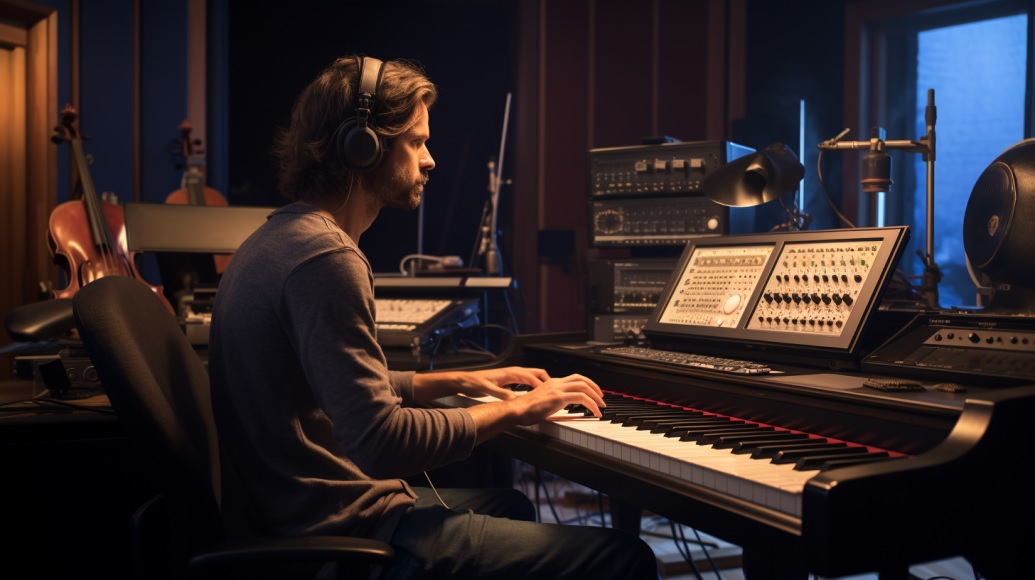
The piano’s adaptability ensures its presence across virtually every genre of music. Its sound resonates as powerfully in a concert hall as it does in a jazz club or a contemporary recording studio.
- Classical Music: The piano is synonymous with classical music, where it serves as both a solo instrument and an integral part of chamber ensembles and orchestras. Works by composers like Mozart, Liszt, and Debussy remain timeless examples of the piano’s classical prowess.
- Jazz and Blues: In jazz and blues, the piano plays a leading role in shaping improvisational and rhythmic styles. Artists such as Duke Ellington and Thelonious Monk have pushed the boundaries of the instrument, redefining its capabilities.
- Modern and Popular Music: From rock ballads to pop hits, the piano continues to anchor countless songs, providing memorable intros, choruses, and melodies that resonate with listeners.
A Cultural Icon
Beyond its musical applications, the piano stands as a cultural symbol, representing sophistication, creativity, and tradition. Its presence in homes, concert venues, and educational institutions underscores its enduring importance.
- Inspiring Innovation: The piano’s design has influenced countless other instruments and continues to inspire technological advancements, from digital pianos to electronic keyboards.
- A Universal Language: The piano’s timeless appeal bridges cultural and generational divides, making it a universal medium for artistic expression. Whether heard in a rural church or a grand opera house, its sound resonates across boundaries.
The Piano as a Lifelong Companion
The piano’s versatility ensures that it remains a constant in the lives of musicians and listeners alike. It evolves with the player, offering new challenges and rewards at every stage of musical development.
- For Amateurs and Professionals: Whether as a hobby or a profession, playing the piano brings joy, relaxation, and personal growth. Its therapeutic qualities make it a refuge for many seeking solace or creative expression.
- A Legacy for Future Generations: The piano’s enduring popularity ensures that it remains a cornerstone of music education and performance, inspiring future musicians to carry its legacy forward.
In every note it produces, the piano demonstrates its unmatched versatility and emotional depth. Its role in music is not just that of an instrument but as a source of connection, creativity, and inspiration. For centuries, it has stood as a testament to the power of music to move hearts and minds, and its influence shows no signs of waning.