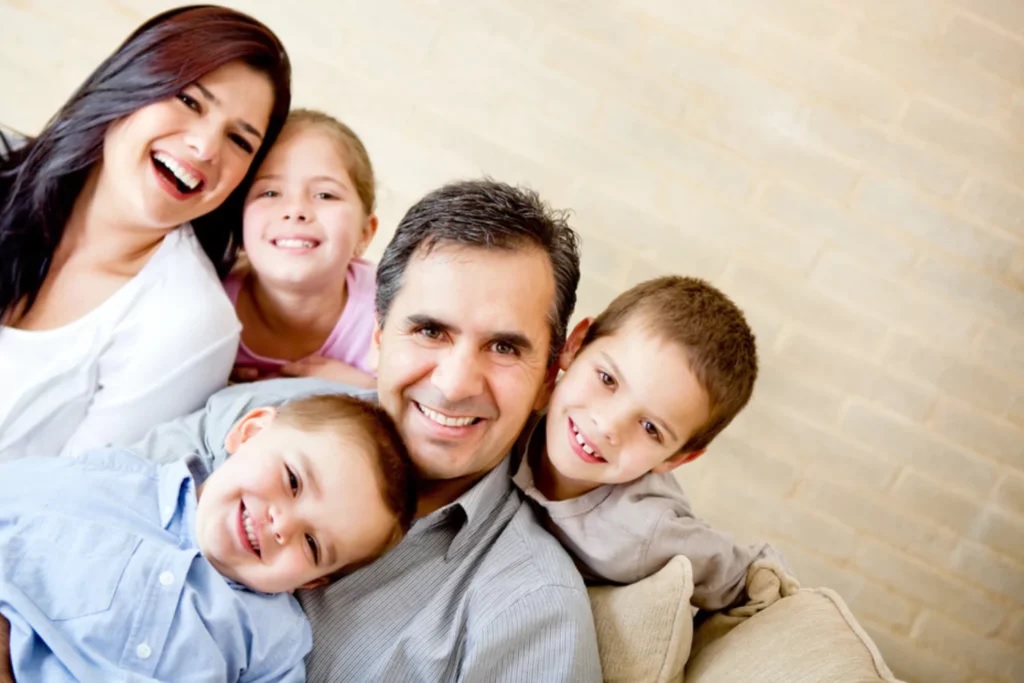
Mastering the Art of Photographing Family Gatherings and Special Events
Photographing family gatherings and special events is a wonderful way to capture memories and share moments with loved ones. However, capturing these occasions in their best light requires thoughtful planning and a few essential techniques. Whether it’s a holiday celebration, a birthday party, or a family reunion, here’s a comprehensive guide to help you take outstanding photos that will be cherished for years to come.
1. Plan Ahead
Preparation is key to successful event photography. Begin by scouting the venue or location where the gathering will take place. Look for areas with good natural light and potential backdrops for photos. If the event is indoors, consider how you will handle lighting conditions, especially if the space is dimly lit. Understanding the environment in advance allows you to plan your shots and anticipate any challenges.
2. Set Up a Photography Station
Having a dedicated photography station can help streamline the process and ensure you capture key moments. Choose a spot with a clean background and good lighting for portraits or group shots. Set up a tripod if you have one, or a stable surface where you can place your camera or smartphone. Inform guests about the photo station so they know where to go for group photos or posed shots.
3. Use Natural Light to Your Advantage
Natural light is often the most flattering and easiest to work with. Position your subjects near windows or outdoors to benefit from soft, diffused light. If the event is in the evening or indoors, try to use additional light sources like lamps or string lights to brighten the space. Avoid using harsh flash, as it can create unflattering shadows and disrupt the natural ambiance of the event.
4. Capture Candid Moments
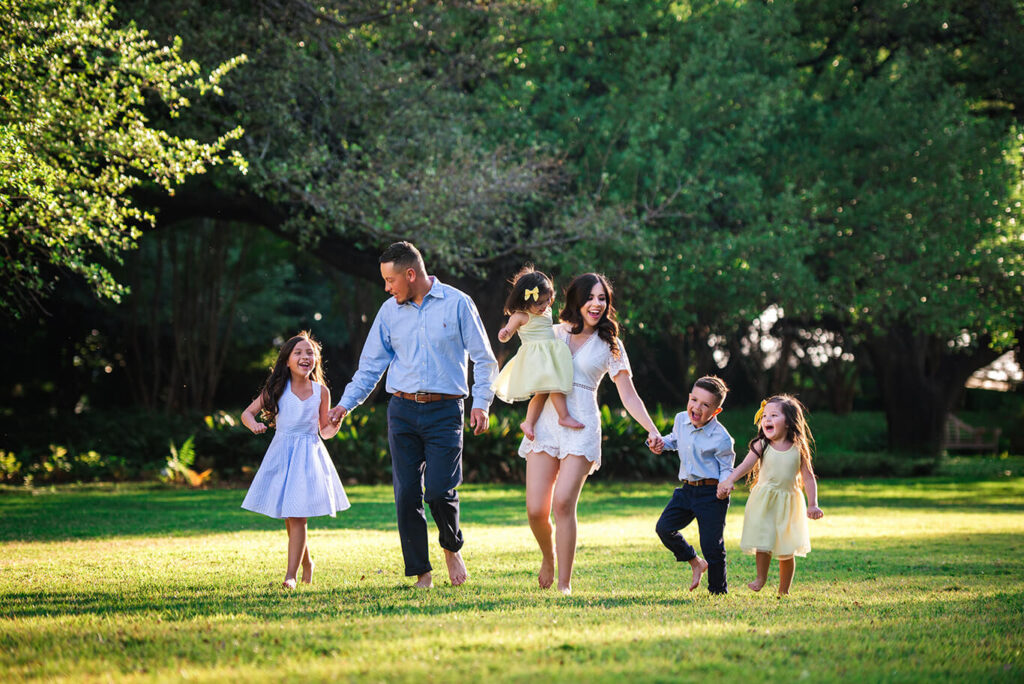
While posed photos are important, candid shots often capture the true spirit of the event. Look for moments of genuine interaction and emotion, such as laughter, hugs, and spontaneous conversations. These candid shots will add a personal and authentic touch to your photo collection, reflecting the natural dynamics of the gathering.
5. Focus on Details
Details can make your photos stand out and provide a richer narrative of the event. Pay attention to small but meaningful elements, such as decorations, food, and unique features of the venue. Close-up shots of these details can complement your broader images and help tell the story of the event. For instance, capture a close-up of a beautifully decorated cake or intricate table settings.
6. Utilize Different Angles
Experiment with various angles to add interest and variety to your photos. Instead of always shooting from eye level, try taking photos from above or below. Capture images from different perspectives, such as from the side or through a doorway, to create a more dynamic and engaging visual story. Changing your vantage point can reveal different aspects of the event and provide a fresh take on familiar scenes.
7. Engage with Your Subjects
When taking photos, engage with your subjects to make them feel comfortable and natural. Offer gentle guidance on posing but also encourage relaxed, spontaneous interactions. For group shots, help people arrange themselves in a flattering manner and ensure everyone is visible. A bit of humor and encouragement can go a long way in creating natural, enjoyable photos.
8. Manage Your Camera Settings
Understanding your camera or smartphone settings can significantly improve your photo quality. Familiarize yourself with basic settings such as exposure, focus, and white balance. If you’re using a DSLR or mirrorless camera, consider using a lens with a wide aperture to create a beautiful background blur and make your subjects stand out. For smartphones, explore settings like HDR mode or portrait mode for enhanced results.
9. Create a Shot List
Having a shot list can help you ensure that you capture all the important moments and people at the event. Make a list of key shots you want to include, such as family portraits, group photos, and any specific activities or traditions. This list will help you stay organized and focused, making it easier to capture everything you need.
10. Edit Thoughtfully
After the event, take the time to edit your photos to enhance their quality and ensure they reflect the event’s atmosphere. Use editing software or apps to adjust lighting, correct colors, and crop images as needed. Avoid over-editing, which can detract from the natural look of the photos. Aim to enhance the images while preserving the genuine feel of the event.
11. Communicate with the Event Host
Coordinate with the event host to understand their preferences and any specific moments they want to be captured. This collaboration ensures you’re aware of any special requests and helps you align your photography with the overall vision of the event. Additionally, discuss any sensitive areas, such as avoiding certain guests or capturing specific family members.
12. Be Flexible and Adaptable
Events can be unpredictable, so flexibility is essential. Be prepared to adapt to changing conditions and unexpected moments. Whether it’s a sudden change in lighting or a spontaneous activity, stay adaptable and ready to capture the essence of the event as it unfolds.
By following these tips, you’ll be well-equipped to photograph family gatherings and special events effectively. With a blend of preparation, creativity, and technical know-how, you can create a collection of photos that beautifully captures the memories and joy of your special occasions.