The Rise of Streaming Platforms: Transforming Entertainment Consumption
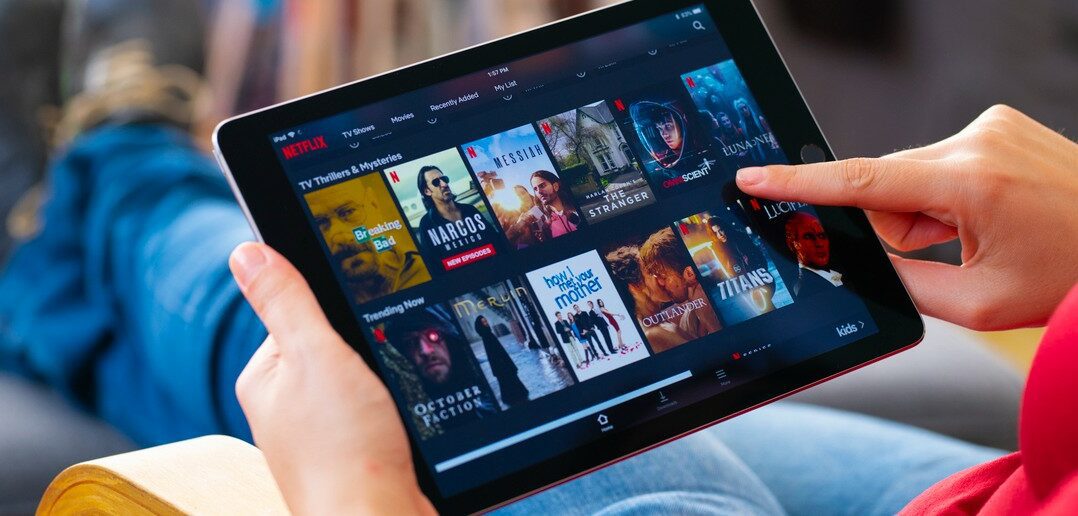
Streaming platforms have reshaped how audiences experience entertainment, redefining traditional models of access, content creation, and viewer engagement. From their beginnings as niche services to becoming global powerhouses, platforms like Netflix, Hulu, and Disney+ have revolutionized the way stories reach audiences. This article explores the forces driving the rise of streaming platforms and the ways they have altered entertainment consumption.
Unrestricted Access to Entertainment Anytime, Anywhere
One of the most striking features of streaming platforms is the freedom they grant audiences to consume content at their convenience. Unlike traditional television, where schedules dictate viewing times, streaming allows users to watch what they want, when they want.
- The Shift from Appointment Viewing
Previously, audiences were tethered to rigid broadcast schedules. Streaming liberated viewers from this constraint, offering flexibility through on-demand access. This shift not only increased viewer autonomy but also accommodated diverse lifestyles, from busy professionals to night owls. - Global Accessibility
With the advent of mobile devices and high-speed internet, streaming services became accessible beyond traditional screens. Whether commuting on a train or relaxing at home, audiences now have a portable window to their favorite shows and films.
Expanding Choices Beyond Traditional Boundaries
The sheer diversity of content available on streaming platforms is unprecedented. By breaking away from the geographic and regulatory constraints of traditional broadcasting, these platforms cater to a global audience with varied tastes.
- Localized and International Content
Services like Netflix and Amazon Prime offer an array of international films and series, such as South Korea’s Squid Game and Spain’s Money Heist. This emphasis on localized storytelling not only expands cultural horizons but also provides creators worldwide with a platform to reach new audiences. - Tailored Recommendations
Using sophisticated algorithms, platforms analyze viewer preferences to curate personalized recommendations. This ensures that each user’s experience feels uniquely catered, guiding them toward content they might not have discovered otherwise.
The Decline of Traditional Cable and Satellite Models
As streaming gained popularity, traditional television services faced declining viewership and subscriptions. This shift has far-reaching implications for both content providers and consumers.
- Cord-Cutting Phenomenon
Increasing subscription costs and limited flexibility of cable packages have driven consumers to “cut the cord” in favor of more affordable streaming alternatives. This movement signifies a fundamental change in how entertainment is consumed. - End of Monopolistic Gatekeeping
Traditional broadcasters once held significant control over what content audiences could access. Streaming platforms democratized this access, giving viewers more choices and empowering independent creators to bypass conventional gatekeepers.
The Rise of Original Content
Streaming platforms have not only distributed existing content but also emerged as significant creators of original programming. This trend has altered the competitive landscape of the entertainment industry.
- Investments in Unique Storytelling
Companies like Netflix and Hulu allocate billions of dollars annually to produce original series and films. These projects often feature diverse narratives and unconventional formats, challenging the homogeneity of traditional media. - Award-Winning Productions
The quality of streaming originals has earned them critical acclaim, with titles such as The Crown and The Marvelous Mrs. Maisel receiving prestigious awards. This validation underscores the platforms’ role as leaders in creative innovation.
Changing the Economics of Content Creation
Streaming has disrupted traditional financing models for content creation and distribution. This transformation impacts how projects are funded, produced, and consumed.
- Direct-to-Consumer Distribution
By bypassing traditional distributors, streaming platforms connect creators directly with audiences. This model minimizes the need for intermediaries, allowing more creative freedom and profit retention for content producers. - Subscription-Based Revenue Models
Unlike ad-supported television, most streaming services rely on subscription fees, ensuring a steady income stream. This model reduces dependency on advertisers and allows for content designed to prioritize storytelling over ratings.
Interactive and Immersive Experiences
Streaming platforms are not merely passive viewing experiences but also embrace interactivity and innovation to engage audiences.
- Interactive Storytelling
Titles like Netflix’s Black Mirror: Bandersnatch introduced audiences to interactive narratives, where viewers make decisions that affect the story’s outcome. This level of engagement transforms audiences into active participants rather than passive observers. - Enhanced Accessibility Features
Features like subtitles, audio descriptions, and customizable playback speeds make streaming content accessible to broader demographics, catering to varying needs and preferences.
Impact on Traditional Hollywood and Independent Creators
The dominance of streaming has reshaped the entertainment industry’s power dynamics, influencing everything from blockbuster releases to indie filmmaking.
- Streaming’s Impact on Box Office Revenues
Major platforms often release films directly online, bypassing theatrical debuts. This strategy challenges Hollywood’s traditional reliance on box office revenue and changes how studios evaluate success. -
Support for Independent Filmmakers
Platforms like Vimeo On Demand and YouTube offer creators without studio backing an opportunity to showcase their work to global audiences. This democratization has fostered a vibrant independent film scene.