The Role of Photography and Videography in Event Documentation
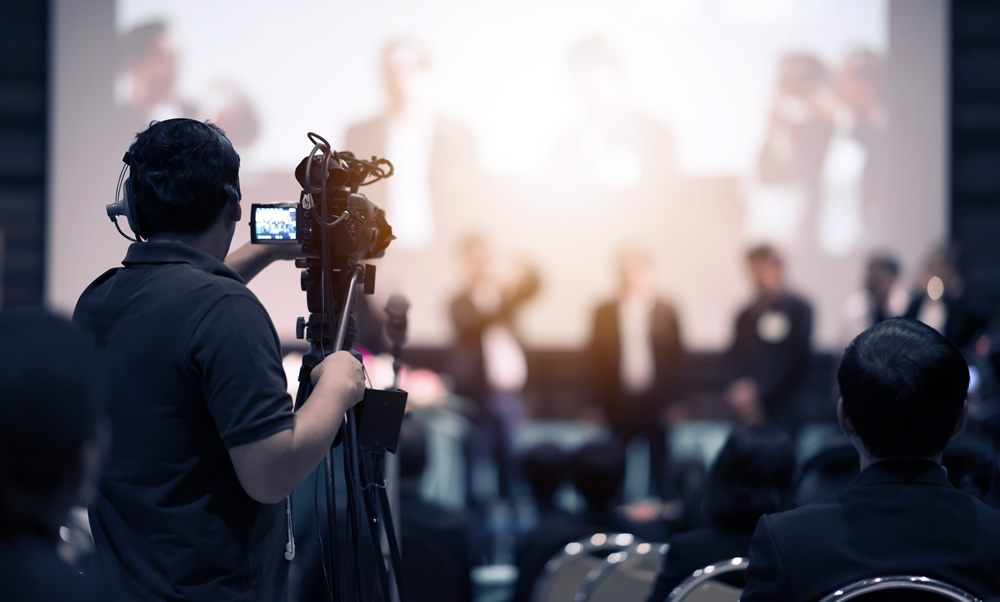
In the realm of event planning, one of the most powerful tools to capture and share the essence of an event is photography and videography. Whether it’s a corporate gathering, a wedding, a conference, or any other significant occasion, visual media serves as a timeless record, preserving moments and memories that can be cherished for years to come. The role of these mediums goes beyond merely capturing images and video footage; they provide an invaluable documentation of the event that extends its reach, enhances its impact, and allows for future reflection. Here, we explore the importance of photography and videography in event documentation and how they contribute to the overall success and legacy of any event.
Capture every key moment with a skilled corporate event photographer who specializes in conferences, galas, and professional gatherings. From keynote speeches to networking shots, quality photography enhances your brand and provides lasting memories. Hire a photographer who understands your business goals and delivers stunning, high-resolution images.
1. Capturing Key Moments
Photography and videography play an essential role in documenting the key moments of an event. These moments are often fleeting and would be impossible to fully experience again without the help of visual media. Whether it’s a keynote speaker delivering an inspiring message, the exchange of vows at a wedding, or the moment a product is unveiled at a launch, these precious instances should be immortalized for both attendees and organizers to look back on.
- Photography allows for high-quality, still images that capture the emotion and essence of the moment. Portraits of attendees, candid shots of interactions, and detailed photos of the venue or decor all contribute to a comprehensive visual story of the event.
- Videography takes it a step further by capturing not only the visuals but also the sounds, speeches, music, and movement. A well-executed video provides a complete sensory experience of the event, making it possible to relive the atmosphere, energy, and interactions.
2. Enhancing Event Marketing and Promotion
The value of high-quality photography and videography extends far beyond the event itself. Once the event concludes, these visual assets become integral tools in marketing and promoting future events. They provide compelling content for social media, websites, brochures, and promotional videos, helping to build excitement and engagement for upcoming events.
- Photographs taken during an event can be used across various platforms to create a visual narrative that highlights the best moments, guest speakers, or significant achievements. These images can draw attention and spark interest among potential attendees for future events.
- Videos have a powerful impact on social media engagement, particularly when shared on platforms like Instagram, YouTube, or LinkedIn. A highlight reel or event recap video can quickly grab attention, increase online visibility, and encourage people to register for your next event.
3. Documenting Event Milestones for Future Reflection
Events are often significant milestones for individuals, organizations, or communities. The photos and videos captured during these occasions serve as historical documents, providing a reference point for future reflection and growth.
- Corporate Events: For businesses, photographs and videos from conferences, product launches, or corporate anniversaries can be a valuable asset for internal archives. They not only capture the achievements of the event but also provide insight into the company’s culture, its growth, and the people who helped shape its success.
- Personal Milestones: For personal events, such as weddings, birthdays, or family gatherings, photography and videography offer a way to preserve memories that can be revisited for generations. These visual records help attendees relive the emotions, faces, and stories of the occasion long after the day has passed.
4. Creating Emotional Connection
Photography and videography have the unique ability to evoke emotions. The images and videos taken at an event are not just about the event’s visuals—they also capture the emotions of the people involved. The laughter, the tears, the smiles, and the excitement of participants are all conveyed through visual media in a way that words alone cannot achieve.
- Capturing Emotions: For instance, candid moments of joy, surprise, or pride often provide the most meaningful memories. These emotional moments can be easily conveyed through both photographs and video footage, allowing attendees and organizers alike to experience the event in a more profound way long after it’s over.
- Telling a Story: Well-composed photographs and videos work together to tell the complete story of an event. A video that highlights key moments with emotional speeches or testimonials from attendees can resonate with audiences and make them feel as though they are reliving the experience.
5. Providing Valuable Content for Media and Press
For events with significant media attention—such as product launches, political rallies, or large conferences—high-quality photography and videography are essential for creating content that can be shared with the press or published in industry publications. Journalists and bloggers often rely on strong visuals to accompany their event coverage.
- Press Kits: Event organizers can use professional photos and videos as part of their press kits, which are essential tools for promoting their event to media outlets. The visual content is often the first thing that catches the eye of journalists and helps to create more engaging press coverage.
- Social Media Sharing: In today’s digital world, events are frequently covered in real-time on social media. Photographers and videographers play a crucial role in ensuring that high-quality, shareable content is available to be posted as the event unfolds. This helps expand the event’s reach, allowing people who couldn’t attend to experience the event virtually.
6. Improving Event Evaluation and Feedback
After an event has concluded, reviewing photographs and videos can offer valuable insights into what went well and what could be improved. Event planners can analyze the content to identify aspects of the event that were well-received by guests or those that may need refinement for future occasions.
- Audience Engagement: By reviewing footage, event organizers can evaluate how engaged the audience was during different parts of the event. This may include paying attention to reactions to speakers, performances, or activities to see what resonated most with the audience.
- Logistics and Set-Up: Videography also provides event planners with the ability to review how smoothly the event ran, from the layout of the venue to the flow of activities. This can highlight areas that need adjustment, ensuring that future events are even more successful.
7. Preserving the Legacy of the Event
Lastly, photography and videography serve as a preservation of the event’s legacy. Whether it’s a company celebrating its 50th anniversary or a nonprofit hosting a charity gala, having visual documentation of the occasion allows it to be remembered and referenced long into the future.
- Event Archives: For long-standing events or organizations, compiling a visual archive can be a powerful tool. This archive can serve as a historical record that documents the growth and impact of the event over time. It can also be used for retrospective promotions, anniversaries, or commemorative projects.
- Sharing Legacy with Future Generations: Personal events, especially family milestones like weddings, anniversaries, or reunions, benefit greatly from the preservation of memories through photography and videography. These records provide a connection to the past, allowing future generations to experience and appreciate the significance of these moments.
Final Thoughts
Photography and videography play an irreplaceable role in documenting events, from capturing key moments to enhancing marketing efforts and preserving memories for the future. These visual tools not only allow for a deeper emotional connection to the event but also serve as powerful resources for promotion, evaluation, and historical preservation. As the saying goes, “a picture is worth a thousand words”—and for events of all kinds, photography and videography provide a priceless way to tell the story and leave a lasting legacy.