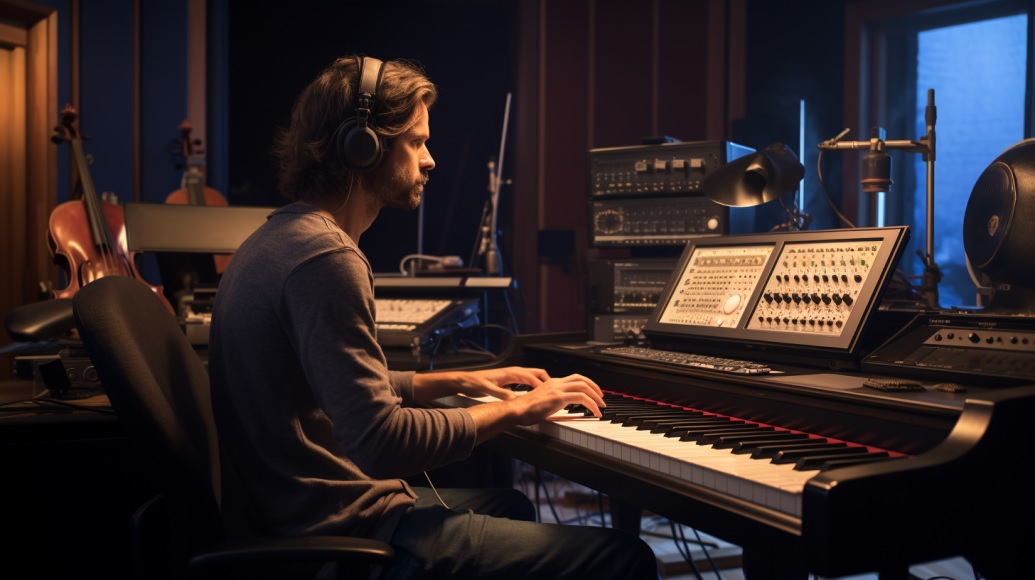
The Psychology of Learning Piano: Building Patience and Focus
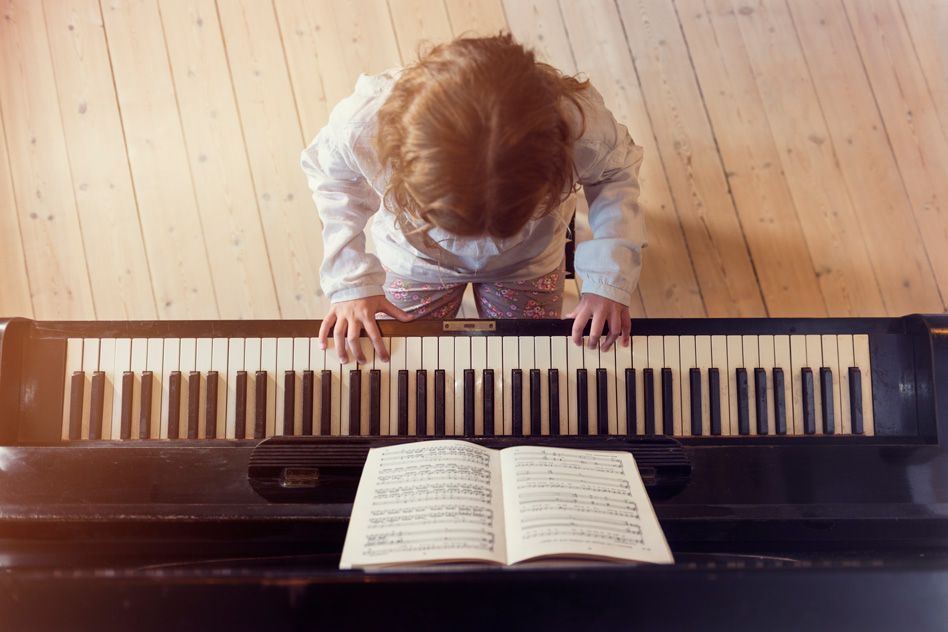
Learning to play the piano is not merely about memorizing notes and mastering hand movements. The psychological aspects of learning this intricate instrument can play a significant role in a student’s progress. One of the most essential qualities that come into play when learning the piano is patience, paired with a remarkable ability to maintain focus. This article explores the psychology behind piano learning, highlighting how patience and focus contribute to mastering the instrument.
Patience as a Fundamental Trait in Piano Learning
Piano mastery is not an instant accomplishment. It takes time, effort, and consistent practice. Patience, in this regard, serves as the foundation upon which all other skills are built. Every pianist, whether beginner or experienced, encounters moments of difficulty—whether it’s struggling with a particular passage, failing to reach a desired speed, or dealing with the frustration of slow progress.
When learning the piano, the brain is constantly forming new neural connections, which requires time and repetition. Initially, students might become discouraged by their lack of immediate results, but it is crucial to recognize that this delay is entirely natural. Our brains need time to internalize new movements and concepts. Patience helps students navigate through these periods of difficulty, understanding that their efforts will eventually yield results.
A key part of patience is setting realistic expectations. The learning process involves plateaus—times when progress seems stagnant, but this does not mean that skills are not being refined. Pianists must remain patient, trust the process, and avoid the temptation to rush their development. This patience will, in turn, lead to more enjoyable and rewarding progress over time.
The Role of Focus in Piano Mastery
Focus is another critical psychological factor in piano learning. The act of playing the piano requires an immense amount of concentration, as students must simultaneously read music, interpret rhythm, coordinate both hands, and maintain posture. These tasks demand sustained attention, making focus an essential component of the learning process.
In fact, a large portion of practicing the piano involves overcoming distractions. When learning the piano, distractions often come from both external and internal sources. External distractions might include noise or other people, while internal distractions may come from the student’s own thoughts or anxieties. Developing the ability to maintain focus amidst these distractions is vital to progressing in piano learning.
To enhance focus, pianists can implement strategies such as breaking down a complex piece into manageable sections or using the method of spaced repetition—practicing a small part repeatedly over short intervals, allowing the brain to focus on one task at a time. This allows for maximum concentration on each element of the music without feeling overwhelmed by the complexity of the piece as a whole.
Additionally, mindfulness techniques can be incredibly helpful in developing focus. Mindfulness helps to cultivate an awareness of the present moment, which can be especially useful when playing an instrument like the piano. Instead of worrying about past mistakes or future difficulties, students learn to be fully engaged with the music in front of them. This practice can help clear mental clutter, allowing students to immerse themselves completely in the task at hand.
How Patience and Focus Complement Each Other
The relationship between patience and focus in piano learning is symbiotic. Patience helps a student overcome moments of frustration and anxiety that might otherwise hinder their concentration. For instance, if a student is struggling to master a piece and feels impatience creeping in, they might begin to make mistakes or lose focus. On the other hand, focus allows students to stay patient during difficult moments by helping them remain absorbed in the task and persevere.
Incorporating both patience and focus into practice routines allows pianists to experience a sense of flow—those moments when playing becomes effortless, and time seems to stand still. Achieving flow requires both a clear, focused mind and a calm, patient attitude. It’s when these two elements work together that a pianist truly begins to see rapid improvements.
The Psychological Benefits of Learning Piano
While patience and focus are essential for mastering the piano, the psychological benefits of learning the instrument extend far beyond these traits. For one, playing the piano promotes emotional regulation. The act of creating music can be incredibly therapeutic, providing an outlet for emotions that might otherwise be difficult to express. Additionally, it fosters a sense of accomplishment, as each milestone reached reinforces the student’s self-confidence and belief in their abilities.
Learning the piano also improves cognitive functions such as memory, problem-solving skills, and spatial awareness. This mental stimulation strengthens the brain, enhancing one’s ability to focus and learn in other areas of life as well. The discipline required to consistently practice the piano can also spill over into other aspects of personal development, such as work or study, helping students maintain an organized and focused approach to their goals.
Setting Goals and Celebrating Achievements
Another psychological technique that plays a crucial role in the learning process is goal-setting. Clear, achievable goals provide structure and motivation for pianists, helping them stay focused and patient. These goals can range from mastering a particular piece of music to developing specific technical skills, and they should always be broken down into smaller, manageable tasks. Celebrating each achievement, no matter how small, boosts motivation and reinforces the desire to continue learning.
Learning the piano is a process that requires more than just technical proficiency. It demands an understanding of the psychological factors involved, including the cultivation of patience and focus. By building these traits, pianists create a strong foundation for long-term success, both in music and in life. Through consistent practice, perseverance, and a mindful approach, the path to piano mastery becomes not only a musical endeavor but also an enriching mental and emotional experience.